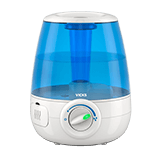
Discover the Ultimate Benefits of a Warm Air Humidifier for Your Home Environment
As households across the globe grapple with the effects of dry air, the significance of a warm air humidifier has come to the forefront. According to the Environmental Protection Agency (EPA), maintaining indoor humidity levels between 30% and 50% can greatly enhance comfort and overall health, significantly reducing the risk of respiratory issues and allergies triggered by dry air. The CDC emphasizes the importance of humidifiers in alleviating symptoms associated with colds, flu, and asthma, reinforcing their role in fostering a healthier home environment.
Moreover, a study published by the Journal of Environmental Health found that the proper use of a warm air humidifier can aid in protecting wooden furniture and flooring from damage caused by low humidity. As we explore the ultimate benefits of warm air humidifiers, it becomes clear that these devices are not just luxury items, but essential tools for improving indoor air quality and enhancing the wellbeing of all inhabitants.
Maximize Indoor Comfort: 5 Key Benefits of Warm Air Humidifiers
A warm air humidifier is an essential addition to any home, especially during the winter months when indoor heating can lead to dry air conditions. According to a report from the Environmental Protection Agency, maintaining indoor humidity levels between 30% and 50% can significantly improve comfort and respiratory health. Warm air humidifiers not only add moisture to the air but also help alleviate common winter ailments such as cracked lips, dry skin, and respiratory issues caused by dry conditions.
One of the key benefits of using a warm mist humidifier is its ability to reduce static electricity in your home, which can be particularly bothersome in the winter. Additionally, warm mist helps soothe sore throats and can be beneficial for individuals suffering from allergies, as it keeps nasal passages moist. Furthermore, research indicates that proper humidity levels can aid in lowering the risk of infections by keeping mucous membranes in the respiratory tract functioning optimally. With these substantial advantages, it's clear that investing in a warm air humidifier can make a significant difference in your indoor environment during the colder months.
Enhance Respiratory Health: Statistics on Humidity Levels and Breathing
A warm air humidifier can significantly enhance respiratory health by maintaining optimal humidity levels in your home. According to studies, indoor humidity levels between 30% and 50% are ideal for respiratory comfort. Low humidity can lead to dry airways, increasing the likelihood of respiratory infections, allergies, and asthma flare-ups. In contrast, well-hydrated air can alleviate symptoms such as congestion, sore throats, and dry coughs, promoting easier breathing for everyone, especially children and the elderly.
To maximize the benefits of a warm air humidifier, consider these tips: First, aim to keep indoor humidity levels between 40% and 50%—too much humidity can encourage mold growth. Use a hygrometer to monitor levels accurately. Second, maintain your humidifier by cleaning it regularly to prevent bacteria and mold build-up, which can diminish air quality. Lastly, strategically place the humidifier in commonly used areas, such as bedrooms or living rooms, to create a comfortable breathing environment throughout your home.
By investing in a warm air humidifier and following these simple tips, you can create a healthier home environment that supports better breathing and overall well-being, especially during those dry winter months.
Boost Home Energy Efficiency: How Humidifiers Reduce Heating Costs
Heating a home during the colder months often leads to increased energy bills, but incorporating a warm air humidifier can significantly enhance energy efficiency. When the air is humidified, the moisture in the air helps maintain warmth, allowing homeowners to set their thermostats lower without sacrificing comfort. This is because humid air feels warmer than dry air at the same temperature, which means that less energy is required to heat the space effectively.
In addition to reducing heating costs, warm air humidifiers also improve overall indoor air quality. By maintaining optimal humidity levels, these devices help prevent the air from becoming too dry, which can cause discomfort and health issues such as dry skin and respiratory problems. Consequently, by investing in a warm air humidifier, you not only achieve a cozier home environment but also reduce your reliance on heating systems, ultimately leading to lower energy consumption and cost savings over time.
Benefits of Using a Warm Air Humidifier
Protect Your Home: The Role of Humidifiers in Preventing Dry Air Damage
Humidifiers play a crucial role in maintaining a healthy home environment, particularly in preventing the damaging effects of dry air. During colder months, indoor air tends to become excessively dry, leading to various issues such as cracked furniture, peeling paint, and static electricity. These conditions not only affect the aesthetics of your home but can also compromise the integrity of wooden structures and furnishings. By introducing a warm air humidifier into your living space, you can effectively combat these problems, ensuring that your home remains protected against the potential harm caused by dry air.
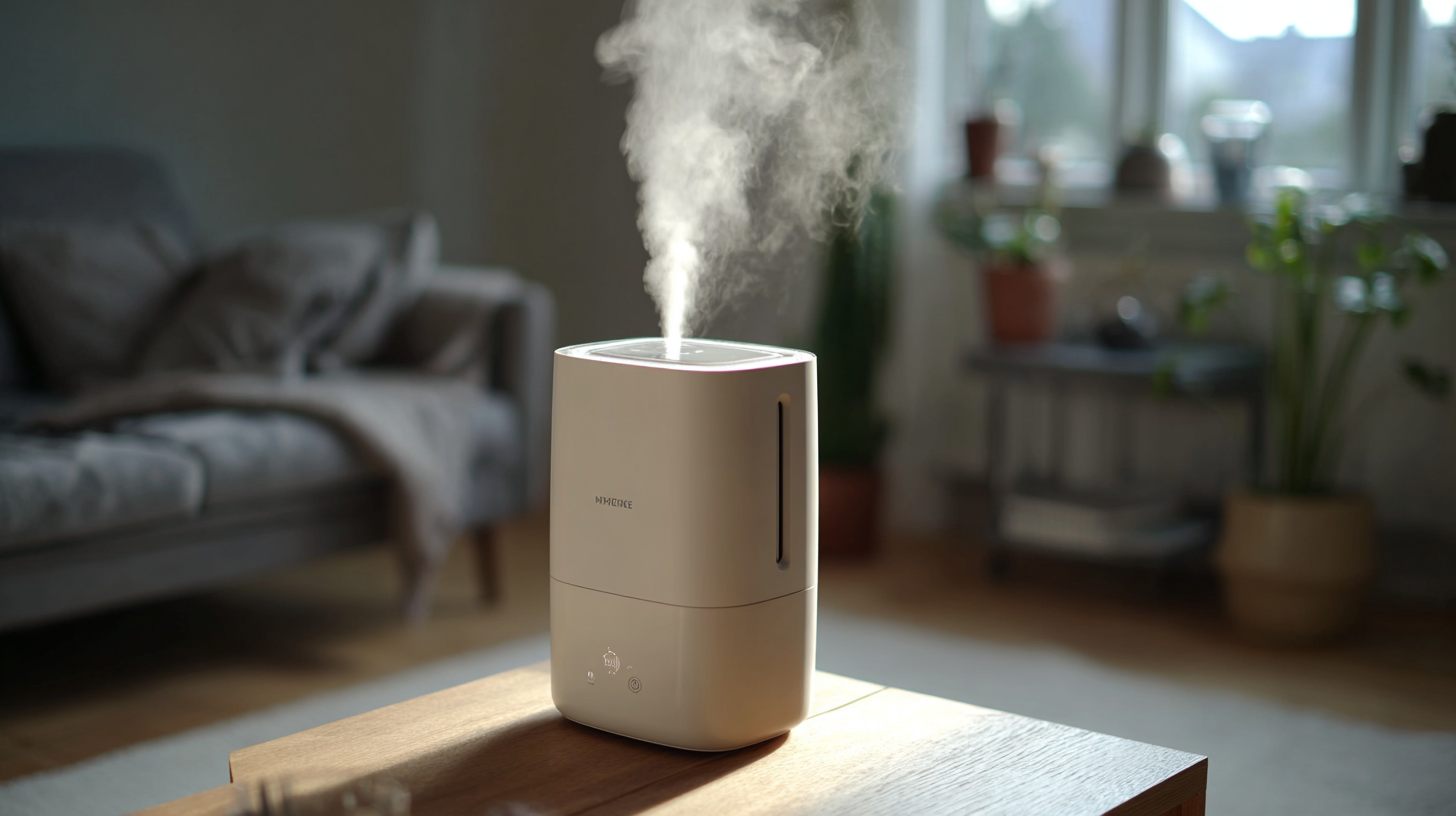
In addition to safeguarding your physical surroundings, a humidifier also promotes better health for you and your family. Dry air can contribute to respiratory issues, skin irritation, and allergies, making it essential to maintain optimal humidity levels. A warm air humidifier adds moisture to the air, creating a comfortable environment that alleviates dryness and enhances overall well-being. By integrating this simple appliance into your home, you not only protect your belongings but also create a nurturing atmosphere conducive to health and comfort.
Improve Sleep Quality: Research Linking Humidity to Better Sleep Patterns
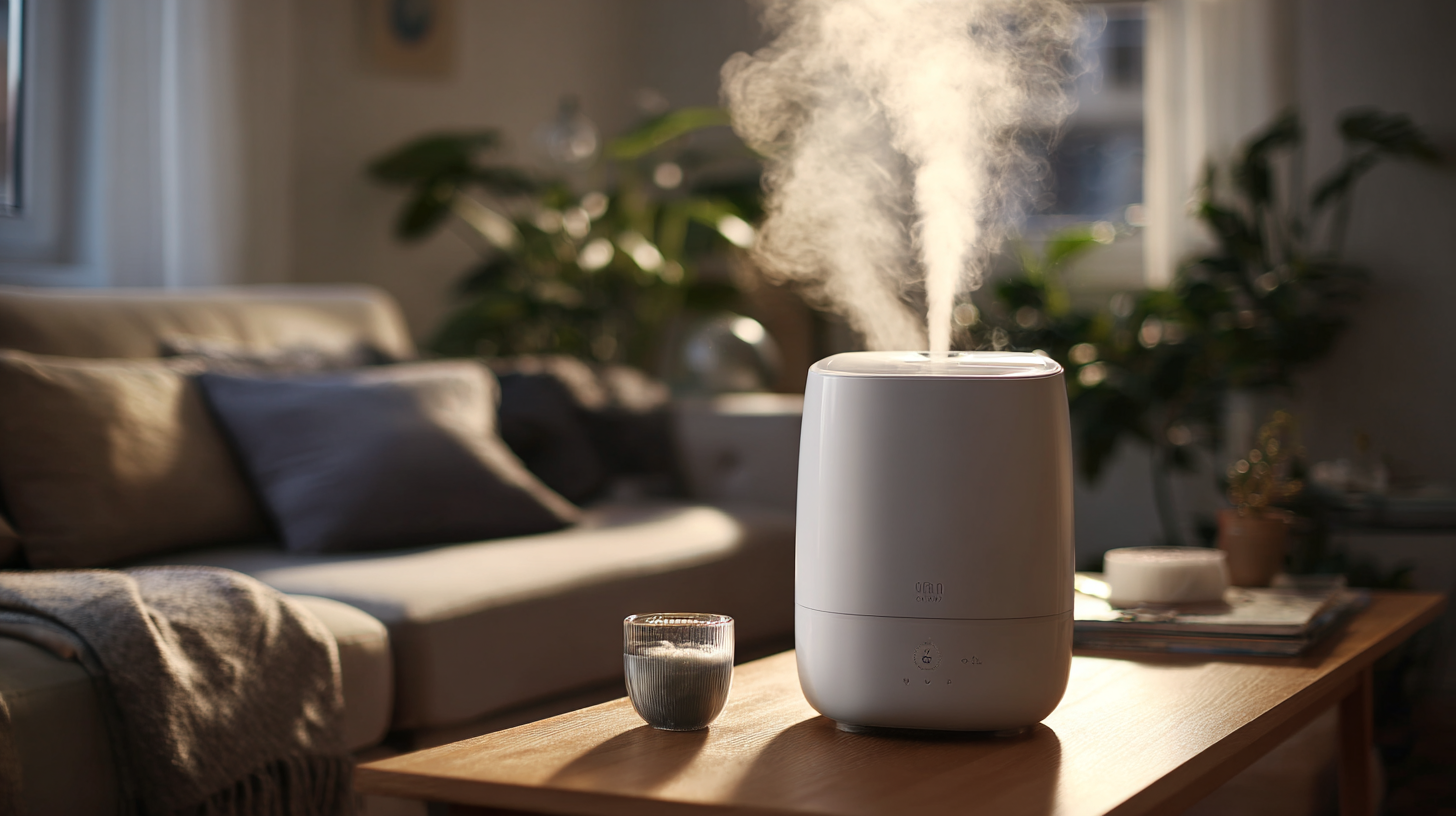 Humidity plays a crucial role in sleep quality, as recent studies highlight the connection between optimal humidity levels and improved sleep patterns. Research indicates that maintaining humidity between 40% to 60% can significantly enhance sleep by preventing dryness in the airways and promoting better respiratory function. This is particularly beneficial for individuals living in high-altitude areas like the Tibetan Plateau, where air can be exceptionally dry, leading to disrupted sleep and various health issues.
As sleep health emerges as a global concern, with over 2 billion people reported to suffer from insomnia according to the 2024 World Sleep Report, the demand for solutions that address sleep quality is skyrocketing. A warm air humidifier offers an effective way to achieve the ideal humidity levels in the home, contributing to a more restful sleep environment. With the introduction of various models available starting in February, consumers in 15 different markets can explore these innovative devices designed to enhance their sleep experience.
Experts emphasize that investing in a warm air humidifier could be a game-changer for those struggling with sleep-related issues. By ensuring the right humidity levels, these devices can help alleviate common problems associated with sleep disturbances, making them an essential addition to any bedroom.