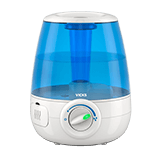
The Benefits of Warm Mist Humidifiers for Optimal Home Comfort and Health
The significance of maintaining optimal humidity levels in our homes has garnered increasing attention in recent years, especially with the advent of advanced home comfort technologies. According to a report by the Environmental Protection Agency (EPA), indoor humidity levels should ideally be maintained between 30-50% to promote health and well-being. One effective solution to achieve this balance is the warm mist humidifier, a device designed to release steam into the air, raising humidity levels while also offering various health benefits.
Warm mist humidifiers can alleviate numerous issues related to dry indoor air, including respiratory problems, dry skin, and irritations in the nasal passages. The American Journal of Respiratory and Critical Care Medicine highlighted that maintaining appropriate humidity levels can significantly reduce the incidence of respiratory infections and enhance overall respiratory health. Additionally, studies have shown that using a warm mist humidifier can effectively relieve cold and flu symptoms by soothing sore throats and providing relief from congestion.
Incorporating a warm mist humidifier into your home not only fosters a comfortable living environment but also serves as a proactive measure to enhance the health of all household members. With increasing awareness of indoor air quality and its impact on health, the benefits of warm mist humidifiers are becoming more recognized as indispensable for achieving optimal home comfort and wellness.
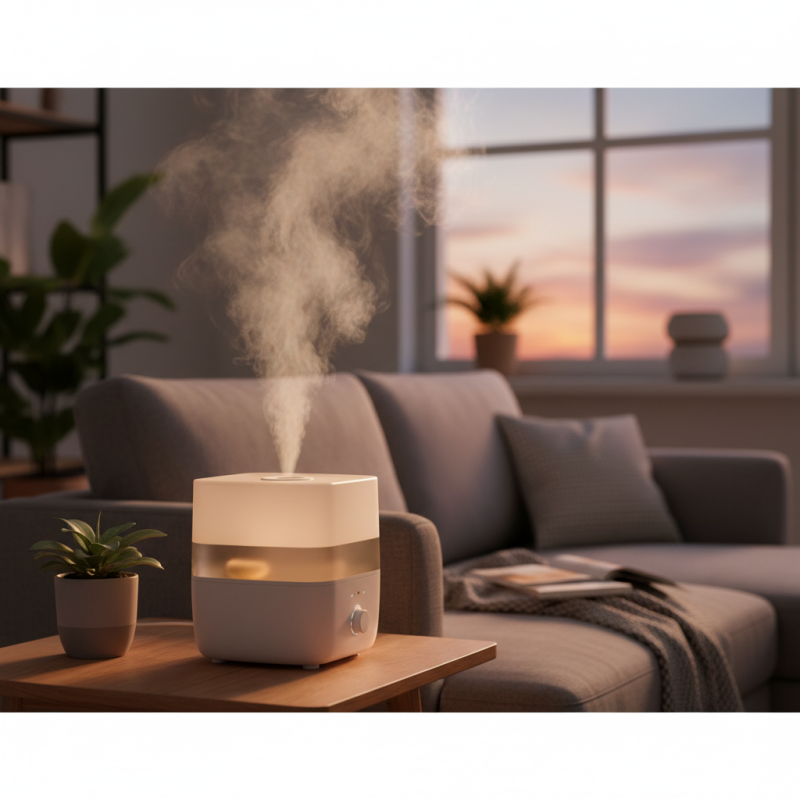
Understanding Warm Mist Humidifiers: A Comprehensive Overview
Warm mist humidifiers are designed to create a soothing atmosphere by adding moisture to the air in your home. They operate by heating water to produce steam, which is then cooled slightly before being released into the environment. This process not only increases humidity levels but also warms the air, making it particularly beneficial during colder months. The warm mist can help alleviate dry air symptoms such as dry skin, irritated sinuses, and it may even reduce the likelihood of respiratory infections by keeping airways moist.
In addition to their physical benefits, warm mist humidifiers can contribute to overall comfort and well-being. They are especially useful for those suffering from allergies or asthma, as the additional moisture can help reduce nasal congestion and make breathing easier. Furthermore, the warm, moist air can provide a calming environment, promoting better sleep quality. With proper maintenance, these humidifiers can also eliminate bacteria and allergens, ensuring the air you breathe is pure and healthy.
Overall, warm mist humidifiers are a reliable choice for enhancing indoor air quality and improving health, offering a cozy living space for everyone.
How Warm Mist Humidifiers Enhance Indoor Air Quality
Warm mist humidifiers play a pivotal role in enhancing indoor air quality, particularly in the colder months when heating systems can lead to dry indoor environments. According to the Environmental Protection Agency (EPA), maintaining indoor humidity levels between 30% and 50% can significantly improve air quality, which is critical for health and comfort.
Warm mist humidifiers work by vaporizing water and releasing warm moisture into the air, effectively increasing humidity levels and alleviating dry air-related issues such as skin irritation, respiratory problems, and allergies.
Research has shown that humidified air can reduce the transmission of airborne viruses. A study published in the Journal of Allergy and Clinical Immunology noted that maintaining optimal humidity levels could decrease the survival rate of influenza viruses by up to 80%. Additionally, warm mist humidifiers can create a soothing atmosphere that assists in reducing stress and promoting better sleep quality. By dispersing warm, vaporized water, these humidifiers not only enhance air moisture but also provide a comforting warmth that can alleviate dry throat and nasal passages, making breathing easier, especially for those with chronic respiratory conditions.
Furthermore, the presence of adequate humidity levels helps in preserving furniture, wood floors, and musical instruments, preventing cracking and warping caused by dry air. The combination of improved air quality and added warmth makes warm mist humidifiers an essential addition to any home, promoting a healthier and more comfortable indoor environment during the colder months.
The Role of Humidity in Health and Comfort Throughout the Year
Maintaining optimal humidity levels in your home is crucial for enhancing both health and comfort throughout the year.
Humidity plays a significant role in respiratory health, skin hydration, and overall well-being.
During the winter months, indoor air can become exceptionally dry due to heating systems, leading to discomfort and various health issues such as
dry skin,
irritated sinuses, and increased susceptibility to infections.
A warm mist humidifier can help counteract these effects by releasing moisture into the air,
thereby creating a more balanced living environment.
In contrast, during the humid summer months, excessive moisture can promote mold growth and allergens,
which can aggravate respiratory issues. It’s essential to maintain humidity levels within a comfortable range,
ideally between 30% and 50%.
To achieve this, consider investing in a hygrometer to monitor indoor humidity and adjusting your humidification or dehumidification strategies accordingly.
Tips:
To ensure optimal comfort,
regularly clean your humidifier to prevent the growth of mold and bacteria.
Additionally, consider placing bowls of water near heat sources in winter for natural moisture increase.
In summer, use exhaust fans in bathrooms and kitchens to help manage humidity levels effectively.
Keeping windows open on cooler days can also help regulate indoor humidity naturally, providing a
refreshing and healthy home atmosphere.
Key Features to Look for When Choosing a Warm Mist Humidifier
When selecting a warm mist humidifier, key features can greatly enhance your home comfort and health. One important consideration is the size of the unit. Choosing a humidifier suitable for your space ensures optimal moisture distribution. Compact models are ideal for smaller rooms, while larger units can effectively cover bigger areas without overheating.
Another crucial feature is the ease of cleaning and maintenance. A humidifier with removable parts and a transparent water tank makes it easy to monitor and clean, preventing the growth of mold and bacteria. Additionally, a unit with a built-in hygrometer helps maintain the ideal humidity levels by making automatic adjustments, enhancing both comfort and health.
**Tips:** When operating your humidifier, always use distilled or demineralized water to reduce mineral buildup and ensure clean mist output. Regularly check the humidity levels in your home and aim for a comfortable range of 30-50% to support respiratory health. Lastly, avoid placing the humidifier too close to walls or furniture to prevent dampness and promote even air circulation.
Maintenance Tips for Optimal Performance of Warm Mist Humidifiers
To ensure optimal performance from warm mist humidifiers, regular maintenance is essential. Begin with routine cleaning to prevent the build-up of minerals and bacteria. A mixture of white vinegar and water can effectively descale the humidifier’s tank and components. This routine cleaning should be performed every few days, especially if you use the unit frequently. Additionally, be sure to empty any leftover water to avoid stagnation, which can lead to mold growth.
Changing the filters regularly, if applicable, enhances both air quality and the device’s efficiency. Refer to the manufacturer’s guidelines for the recommended frequency of filter changes. For models without filters, thoroughly rinsing the tank and base after each use will help maintain hygiene. Also, inspect and clean the evaporator and fan if your humidifier has them, as this will support consistent operation and maximize the benefits of humidified air in your home. By adhering to these maintenance tips, you can enjoy the comforting benefits of warm mist humidifiers all year round.
The Benefits of Warm Mist Humidifiers for Optimal Home Comfort and Health
This chart illustrates the average humidity levels in different room environments with and without warm mist humidifiers. The data reflects the optimal humidity range for comfort and health, which is typically between 30% and 50% relative humidity.