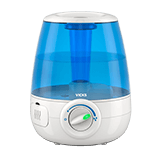
Best Cold Humidifiers for 2026 Why Choose One for Your Home?
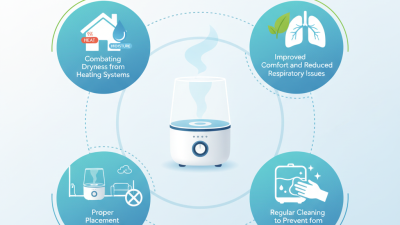
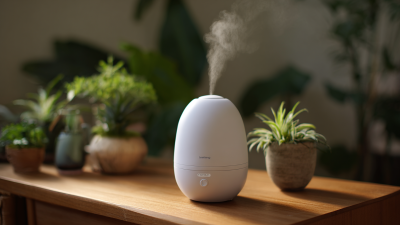
In the quest for home comfort, the choice of a cold humidifier can make a significant difference. Cold humidifiers are designed to add moisture to the air without generating heat. This feature is especially beneficial in dry climates or during winter months. Proper humidity levels can improve respiratory health and skin hydration. Choosing the right model is essential for optimizing these benefits.
However, selecting a cold humidifier involves more than just looking for the latest designs. It requires understanding specific needs such as room size and ease of maintenance. Some models can be noisy, which might disrupt sleep. Finding a balance between performance and noise levels is crucial. Brands with a solid reputation often offer the best reliability, but not all popular products deliver good results.
Be cautious of over-humidifying, as it can lead to mold growth. Effective cold humidifiers should maintain humidity levels around 30-50%. Researching user reviews can provide insights into long-term performance. With so many options on the market, being informed can help you make better choices for your home environment.
Understanding Cold Humidifiers: Functions and Benefits
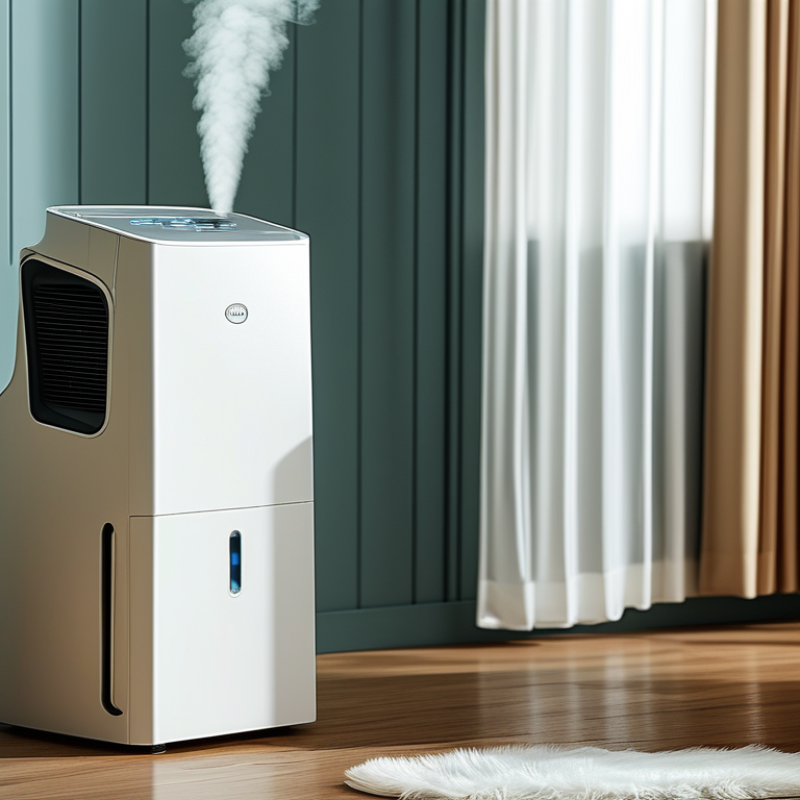
Cold humidifiers play a vital role in improving indoor air quality. They release cool mist into the environment, increasing humidity levels. This addition can help alleviate issues like dry skin, sore throats, and respiratory problems. People often overlook the essential benefits these devices offer, leading to discomfort during dry seasons.
These humidifiers operate by using a fan to evaporate water. This process cools the air while providing moisture. Enhancing humidity can create a more comfortable living space. It's crucial to maintain these devices properly. Neglected humidifiers can harbor mold and bacteria, potentially harming air quality. Regular cleaning and maintenance can prevent these issues, ensuring a safe environment.
Many users find themselves unsure about how much humidity is ideal. Generally, a range of 30% to 50% is recommended. Too much moisture can lead to mold growth and dust mites. Monitoring humidity levels helps create a balance, avoiding potential pitfalls of over-humidification. As with any home appliance, knowing how to use and maintain it is essential for effective operation.
Best Cold Humidifiers for 2026 - Understanding Cold Humidifiers: Functions and Benefits
| Model |
Type |
Water Capacity (Liters) |
Run Time (Hours) |
Coverage Area (sq ft) |
Special Features |
| Model A |
Evaporative |
4.0 |
24 |
600 |
Filter Indicator, Auto Shut-Off |
| Model B |
Ultrasonic |
3.5 |
20 |
500 |
Night Light, Adjustable Mist Level |
| Model C |
Impelled |
5.0 |
30 |
800 |
Remote Control, Whisper Quiet |
| Model D |
Evaporative |
6.0 |
36 |
1000 |
Smart Humidity Sensor, Mobile App |
| Model E |
Ultrasonic |
2.0 |
15 |
400 |
Essential Oil Tray, Auto Shut-Off |
Key Features to Look for in Cold Humidifiers
Choosing the right cold humidifier for your home can significantly improve your indoor air quality. When searching for the best options in 2026, focus on key features. Look for a humidifier with adjustable humidity settings. This allows you to find the right balance of moisture in the air. Many models also come with built-in hygrometers that help monitor humidity levels, ensuring optimal comfort.
Consider the size and capacity of the humidifier. Larger tanks often mean less frequent refills, but they can also take up more space. Think about the layout of your home. If you have a smaller area, a compact model might be more appropriate. Additionally, filtration systems can enhance the quality of moisture. Some units require regular cleaning, which could be an inconvenience for those looking for low-maintenance options.
Tips to remember: look for energy-efficient models to save on bills. Check noise levels if you plan to use the humidifier at night. A quiet operation can make a significant difference in comfort, especially in bedrooms. As you assess your choices, reflect on your lifestyle needs. Not all humidifiers will suit every home, and even the most advanced model may require adjustments to fit your daily routine.
Comparing Different Types of Cold Humidifiers
When considering cold humidifiers, it's essential to understand their different types. Evaporative humidifiers use a wick filter to absorb water. A fan then blows air through the moist wick, effectively adding humidity to your home. These units are self-regulating, as they can adjust based on humidity levels. However, the filters may need frequent replacement, which can be a hassle for some users.
Ultrasonic humidifiers work differently. They use ultrasonic vibrations to create a fine mist of water. This mist is released into the air, making it a quiet option. The downside? They may leave some mineral deposits on surfaces if distilled water isn’t used. Additionally, balancing humidity levels requires attention to avoid overly humid environments.
Steam vaporizers heat water to produce steam, which cools before exiting the machine. They can provide relief for respiratory issues but consume more energy. Monitoring their operation is necessary to prevent burns or overheating. Each type of cold humidifier offers unique advantages and challenges, making it vital to weigh your options carefully.
Top Cold Humidifiers of 2026: Reviews and Recommendations
When selecting a cold humidifier for your home in 2026, there are several factors to consider. Many models offer various features, such as automatic shut-off, adjustable humidity settings, and easy-to-fill tanks. Based on user reviews, the best units provide a quiet operation, which is essential for a restful night's sleep. Some people appreciate models that include filters for cleaner air.
Effective cold humidifiers can help maintain optimal humidity levels between 30% and 50%. Too much moisture can lead to mold growth and discomfort. Observations indicate that many users struggle to find the right balance. It's easy to overlook regular maintenance, which can affect performance. Clean your humidifier frequently to avoid bacteria buildup.
Reviews often highlight specific models that excel in efficiency and design, offering added convenience. Consider the unit's size and coverage area. A large model may be needed for open spaces. Homeowners should also reflect on their personal needs, as some may prioritize energy efficiency, while others may focus on budget. Choosing a humidifier requires careful thought, as it plays a vital role in indoor air quality and overall health.
Maintaining and Caring for Your Cold Humidifier
Maintaining a cold humidifier is essential for optimal performance and longevity. Regular cleaning is crucial to prevent mold and bacteria growth. A simple mixture of vinegar and water can effectively clean the tank and other parts. Remember to rinse thoroughly to avoid lingering residues.
Using distilled water can enhance the humidifier’s efficiency. Tap water may contain minerals that lead to buildup in the unit. Over time, this can affect the mist output and lead to damage. Regularly check the water level and refill as needed to keep the humidifier functioning properly.
It’s important to pay attention to the humidity levels in your home. Too much humidity can lead to mold growth, while too little can cause dry skin and respiratory issues. A hygrometer can help monitor the conditions. If you're unsure about how often to operate your humidifier, consider adjusting based on seasonal changes and indoor air quality.