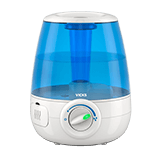
10 Best Cold Humidifiers to Improve Your Indoor Air Quality
Indoor air quality has become a critical concern in modern living environments, with studies indicating that nearly 90% of our time is spent indoors. According to the Environmental Protection Agency (EPA), indoor air can be two to five times more polluted than the air outside. One efficient solution to combat this issue is the use of cold humidifiers, which help maintain optimal humidity levels, thereby improving respiratory health and reducing the prevalence of indoor pollutants. The ideal indoor humidity level, as recommended by the American Society of Heating, Refrigerating, and Air-Conditioning Engineers (ASHRAE), is between 30% and 50%, which is where cold humidifiers can play a pivotal role.
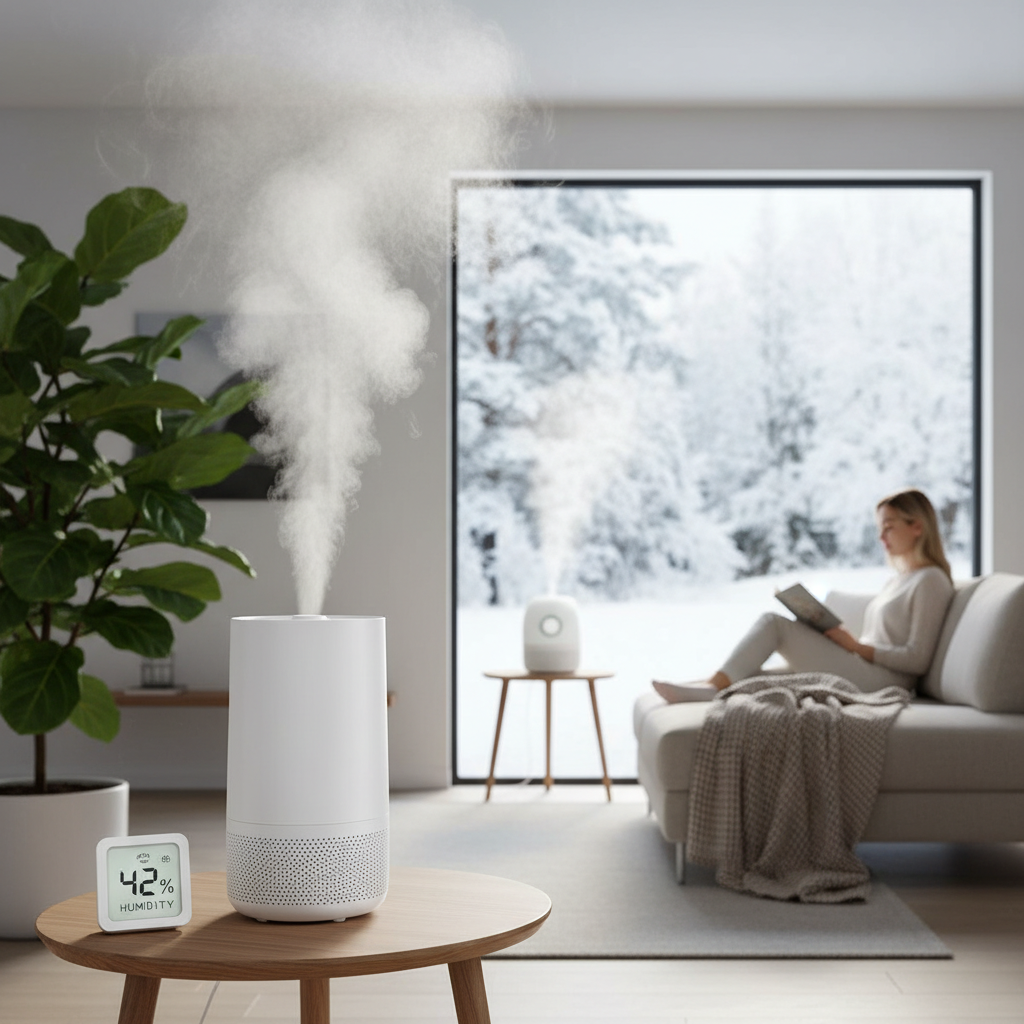
Cold humidifiers not only enhance comfort by alleviating dryness but also offer additional benefits such as mitigating allergy symptoms and minimizing static electricity. Recent surveys suggest that about 50% of households experience issues related to dry air, particularly in colder months. By incorporating cold humidifiers into the home, users can significantly improve their indoor air quality, leading to healthier living conditions. As we explore the 10 best cold humidifiers, we will highlight how these devices can transform your living space into a more comfortable and healthier environment, enhancing overall well-being for you and your family.
Benefits of Using Cold Humidifiers for Indoor Air Quality
Cold humidifiers are increasingly recognized for their significant impact on improving indoor air quality, making them an essential addition to modern homes. According to the Environmental Protection Agency (EPA), maintaining proper humidity levels between 30-50% can help reduce respiratory illnesses and minimize dust mite population. Cold humidifiers achieve this balance effectively, ensuring that the air remains moist without the additional heat that can exacerbate dry conditions.
Research from the American Society of Heating, Refrigerating and Air-Conditioning Engineers (ASHRAE) indicates that cold humidifiers can alleviate common symptoms associated with dry air, such as dry skin, irritated sinuses, and itchy eyes. By dispersing cool, soothing moisture into the air, these devices not only enhance comfort but also support better sleep quality and overall well-being. A study published in the Journal of Environmental Health found that properly humidified air can reduce the transmission likelihood of airborne viruses, highlighting the health benefits associated with maintaining optimal indoor humidity levels through the use of cold humidifiers.
Indoor Air Quality Improvement with Cold Humidifiers
Top Features to Look for in Cold Humidifiers
When searching for the best cold humidifiers to enhance your indoor air quality, it’s crucial to focus on features that contribute to their effectiveness. According to the Environmental Protection Agency (EPA), maintaining an indoor humidity level between 30% and 50% can significantly improve respiratory health and reduce the spread of airborne viruses. Therefore, selecting a humidifier with precise humidity control is vital for achieving optimum levels. Look for models equipped with hygrostats that automatically adjust humidity output based on your home’s current conditions.
Another critical feature is the size of the humidifier's tank. The American Society of Heating, Refrigerating, and Air-Conditioning Engineers (ASHRAE) suggests that larger tanks allow for extended operation without the need for frequent refills, which can be especially beneficial in larger spaces. Additionally, consider the type of filtration system the humidifier uses, as high-efficiency particulate air (HEPA) filters can capture fine particles and allergens, aligning with studies indicating that improved air quality directly contributes to better overall health. Therefore, prioritize cold humidifiers with advanced filtration and ample tank capacity to truly elevate your indoor air experience.
10 Best Cold Humidifiers to Improve Your Indoor Air Quality
| Model |
Type |
Room Size (sq. ft.) |
Tank Capacity (gallons) |
Run Time (hours) |
Features |
| Model A |
Evaporative |
400 |
1.5 |
24 |
Auto shut-off, Filter change indicator |
| Model B |
Ultrasonic |
500 |
2.0 |
18 |
Night light, Adjustable mist settings |
| Model C |
Steam Vapor |
300 |
1.0 |
10 |
Cool & warm mist, Silent operation |
| Model D |
Evaporative |
600 |
2.5 |
30 |
Digital display, Remote control |
| Model E |
Ultrasonic |
350 |
1.2 |
20 |
Essential oil tray, Whisper-quiet |
| Model F |
Steam Vapor |
250 |
0.6 |
8 |
Compact size, Automatic shut-off |
| Model G |
Evaporative |
450 |
1.8 |
26 |
Smart humidity sensor, Low noise |
| Model H |
Ultrasonic |
300 |
1.0 |
15 |
360-degree mist output, Night light |
| Model I |
Steam Vapor |
200 |
0.5 |
6 |
Portable design, Easy to clean |
| Model J |
Evaporative |
350 |
1.2 |
22 |
Self-regulating, Hygienic filter |
In-Depth Reviews of the Best Cold Humidifiers of 2025
In 2025, the market for cold humidifiers has expanded significantly, with a wide range of options tailored to enhance indoor air quality. These humidifiers not only help maintain optimal humidity levels but also provide other essential benefits, such as reducing allergens and promoting better respiratory health. Our in-depth reviews delve into the top models, focusing on their features, performance, and user feedback to guide you in selecting the best fit for your home.
Among the standout products, certain humidifiers excel in their innovative technology and ease of use. Many models now incorporate smart features, allowing you to control humidity levels remotely via smartphone apps. Additionally, advanced filtration systems and quieter operation make the top choices not just efficient but also user-friendly. By understanding the unique offerings of each humidifier, you can make an informed decision that contributes to a healthier indoor environment for you and your family.
Comparative Analysis of Cold Versus Warm Humidifiers
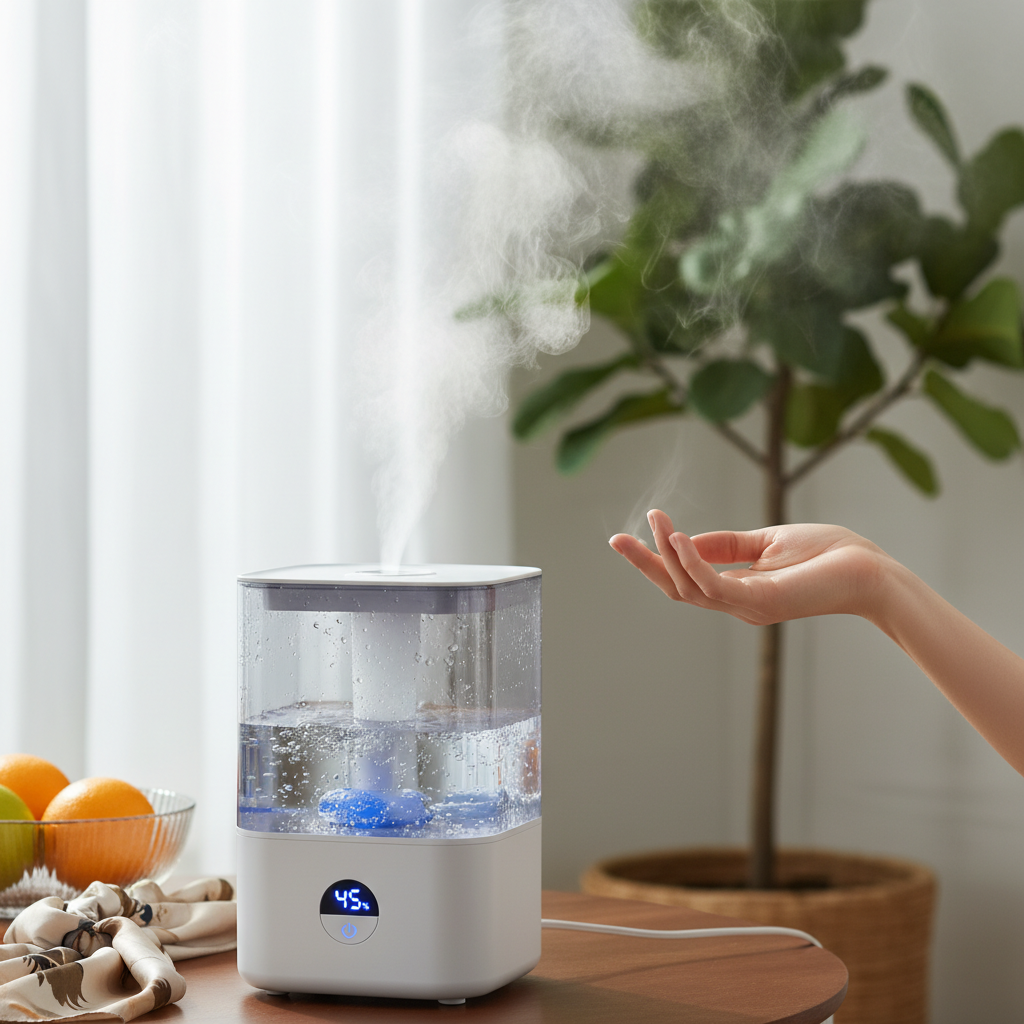
When it comes to improving indoor air quality, the choice between cold and warm humidifiers is crucial. Cold humidifiers, often utilizing ultrasonic technology or evaporative methods, add moisture to the air without raising the temperature. This makes them suitable for warmer climates or for individuals who prefer a cooler environment. They are particularly effective in alleviating dry skin, sinus congestion, and static electricity, providing a refreshing atmosphere while maintaining a comfortable temperature.
On the other hand, warm humidifiers employ heating elements to vaporize water, releasing steam into the air. These devices are beneficial in colder climates, as they not only add moisture but also help raise the room temperature, thus providing a dual advantage during the winter months. Warm humidifiers can be particularly helpful for those suffering from respiratory issues, as the warm steam may soothe irritated airways. However, they demand more energy and can pose safety risks if not used with caution, especially in households with children. Ultimately, the decision hinges on personal needs and environmental conditions, making it essential to weigh the pros and cons of each type.
Maintenance Tips for Optimal Performance of Cold Humidifiers
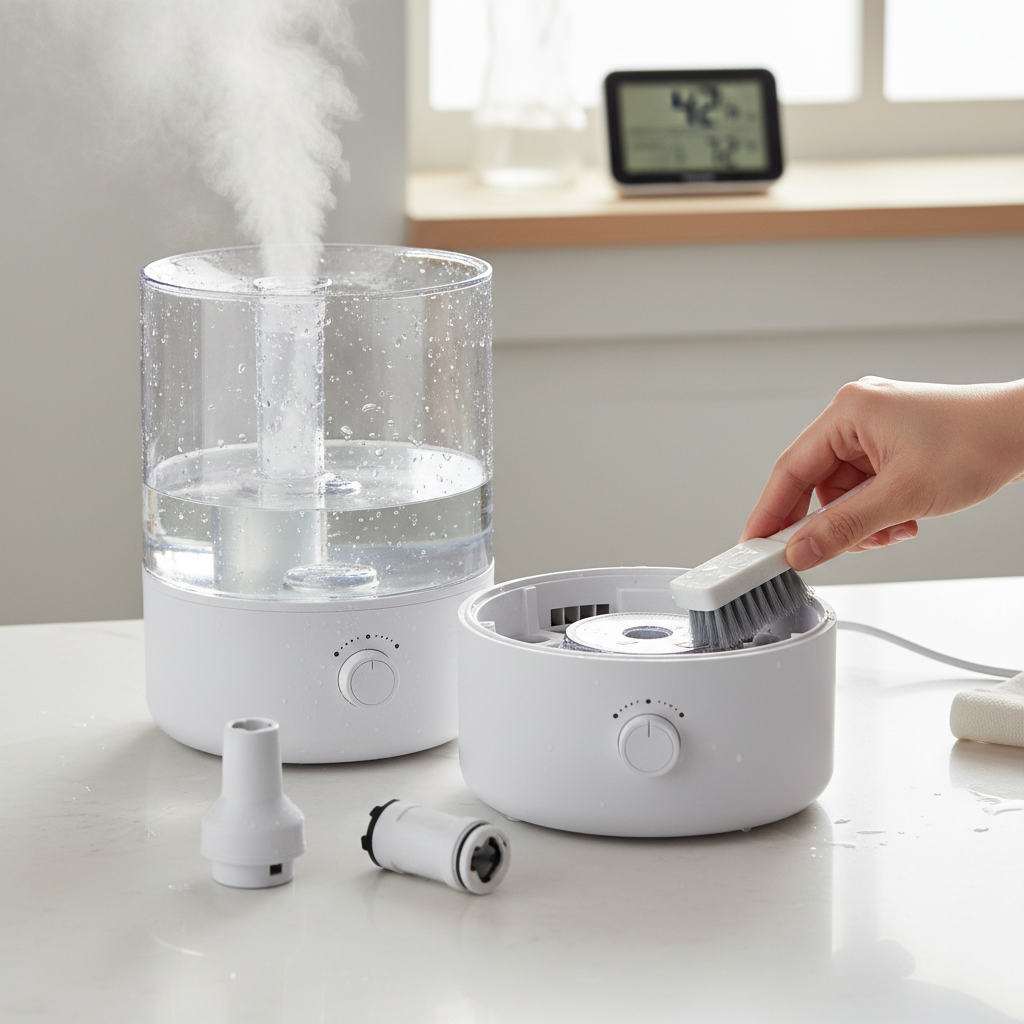
When using cold humidifiers to enhance indoor air quality, proper maintenance is crucial for optimal performance. According to the Environmental Protection Agency (EPA), maintaining humidity levels between 30% and 50% can significantly reduce the risk of airborne viruses and allergens. To achieve this, users should clean their humidifiers regularly, as bacteria and mold can thrive in stagnant water. Experts recommend that you empty the tank, clean all components with a solution of vinegar and water, and let them dry completely before refilling.
Additionally, it’s essential to monitor the mineral content of the water used in your humidifier. Hard water can lead to the buildup of scale inside the unit, which may impair its functionality and release harmful particles into the air. A report from the American Society of Heating, Refrigerating and Air-Conditioning Engineers (ASHRAE) emphasizes using distilled water when possible to reduce mineral accumulation. Changing filters regularly and ensuring the unit is placed in a well-ventilated area will further enhance performance, leading to a healthier indoor environment. Keeping these maintenance tips in mind can help ensure that your cold humidifier operates efficiently while improving overall air quality.