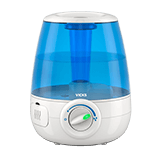
Why You Should Choose a Cold Water Humidifier for Your Home Comfort?
In today's fast-paced world, maintaining a comfortable home environment is more important than ever. One key factor in achieving this comfort is maintaining optimal humidity levels. A cold water humidifier emerges as a highly effective solution for homeowners looking to enhance indoor air quality while providing a refreshing atmosphere. Unlike traditional humidifiers, cold water models utilize simple yet innovative technology to disperse moisture without producing heat, making them safe and energy-efficient.
By choosing a cold water humidifier, individuals can benefit from a multitude of advantages. Not only do they help to alleviate dry skin and respiratory issues, but they also maintain a comfortable temperature during warmer months. These humidifiers are particularly beneficial in areas with hot climates, where they can provide a cooling effect as they add humidity to the air. Moreover, cold water humidifiers are easier to clean and maintain, leading to better overall hygiene and health benefits for your living space. As effective allies in promoting home comfort, cold water humidifiers stand out as a smart investment for anyone looking to improve their indoor environment.
Benefits of Using a Cold Water Humidifier for Home Comfort
Using a cold water humidifier in your home can significantly enhance your comfort levels, especially in dry environments. These devices work by dispersing cool mist into the air, which can help maintain optimal humidity levels without raising the temperature. This is particularly beneficial during hot summer months when staying cool is a priority. Additionally, by adding moisture to the air, cold water humidifiers can alleviate dry skin, improve respiratory health, and reduce the risk of allergies, making them ideal for households with sensitive individuals.
Another notable advantage of cold water humidifiers is their energy efficiency. Unlike warm mist humidifiers, which require more energy to heat water, cold water humidifiers operate at lower energy levels, resulting in lower utility bills. Furthermore, they require less maintenance, as there is no need for regular cleaning of heating elements. The cool mist they provide is not only refreshing but can also help to cool down a room, making it a perfect choice for spaces that need both humidity and comfort without added warmth.
How Cold Water Humidifiers Improve Indoor Air Quality
Cold water humidifiers are becoming increasingly popular in homes, particularly because of their ability to enhance indoor air quality. Unlike traditional warm mist humidifiers, cold water models utilize a fan to disperse cool vapor, which helps to maintain optimal humidity levels without overheating the air. This can create a more comfortable living environment, especially in dry climates or during the winter months when indoor heating can lead to dry air, causing irritation to the skin and respiratory system.
Moreover, cold water humidifiers can filter out impurities and allergens from the air, making it a healthier option for households. By using water to cool and humidify the air, these devices can help reduce dust, pollen, and pet dander. This can significantly benefit individuals with allergies or asthma, offering them a better breathing experience at home.
Tips: To maximize the effectiveness of your cold water humidifier, ensure that you regularly clean and maintain the unit to prevent mold and bacteria growth. Additionally, consider using distilled water instead of tap water, as this can reduce mineral buildup and improve the overall air quality. Lastly, monitor the humidity levels with a hygrometer; an indoor humidity level of 30-50% is ideal for comfort and health.
Comparison Between Cold Water and Warm Water Humidifiers
When it comes to humidifiers, the choice between cold water and warm water variants can significantly impact your home's comfort levels. Cold water humidifiers typically use a fan to evaporate water, which cools the air without increasing the room temperature. This feature makes them particularly beneficial during the warmer months, effectively adding moisture to the air and helping to alleviate dry skin, respiratory issues, and static electricity without the discomfort of heat.
On the other hand, warm water humidifiers operate by heating water to produce steam, which is then cooled slightly before being released into the air. While they can be particularly comforting in colder climates, especially during the winter, they may pose certain risks.
Warm mist can potentially burn if accidentally touched, and they often consume more energy due to the heating element involved in the process.
Additionally, warm humidifiers may require more frequent cleaning to prevent the buildup of bacteria and mineral deposits, making maintenance a consideration when deciding which type suits your lifestyle better. Ultimately, selecting the appropriate humidifier hinges on the specific needs of your environment, seasonal climate changes, and personal comfort preferences.
Maintenance Tips for Cold Water Humidifiers
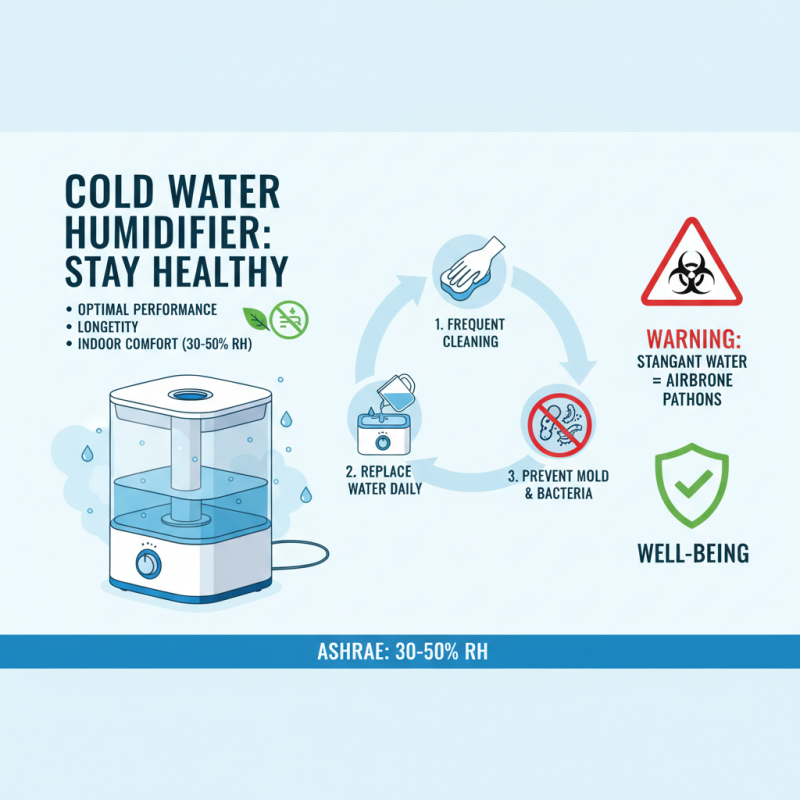
Maintaining a cold water humidifier is essential for ensuring optimal performance and longevity. According to the American Society of Heating, Refrigerating and Air-Conditioning Engineers (ASHRAE), maintaining relative humidity levels between 30% and 50% can enhance comfort and health in indoor environments. To achieve this, regular upkeep of your humidifier is crucial. This includes frequent cleaning and replacing water to prevent the growth of mold and bacteria, as stagnant water can become a breeding ground for these microbes. A study indicated that improper maintenance of humidifiers could lead to airborne pathogens, making regular cleaning not only a matter of device health but one of personal well-being as well.
In addition to proper cleaning, the water quality used in your humidifier plays a significant role in its effectiveness. Hard water can lead to mineral buildup that may impair the humidifier's function. It is advisable to use distilled water, which contains fewer minerals, resulting in a more efficient humidification process and reducing the risk of white dust accumulation on surfaces. The Environmental Protection Agency (EPA) emphasizes that using high-quality water is a simple yet effective way to enhance the operation of your humidifier while simultaneously fostering a healthier indoor environment. Thus, adhering to maintenance tips not only maximizes comfort but also safeguards your health and preserves the unit's functionality.
Cost-Effectiveness of Cold Water Humidifiers in the Long Run
When considering the long-term financial implications of home comfort solutions, cold water humidifiers stand out for their cost-effectiveness. Unlike traditional warm mist humidifiers, which can consume more energy due to heating water, cold water humidifiers operate efficiently by simply utilizing water at ambient temperatures. This reduced energy consumption leads to lower utility bills, making them a financially savvy choice for homeowners seeking to maintain optimal humidity levels without breaking the bank.
Additionally, cold water humidifiers often require less maintenance compared to their warm water counterparts. The absence of heating elements reduces the risk of breakdowns, thereby extending the lifespan of the device. Fewer repairs or replacements mean additional savings over time. Moreover, without the need for constant heating, these humidifiers can function effectively even in warmer climates, maintaining comfort without incurring the extra costs associated with high energy consumption. In this way, investing in a cold water humidifier is not only beneficial for immediate home comfort but also offers significant advantages for long-term financial health.
Why You Should Choose a Cold Water Humidifier for Your Home Comfort? - Cost-Effectiveness of Cold Water Humidifiers in the Long Run
| Feature |
Cold Water Humidifier |
Traditional Humidifier |
| Initial Cost |
$50 - $150 |
$30 - $100 |
| Energy Efficiency |
High |
Moderate |
| Maintenance Cost (Annual) |
$30 |
$50 |
| Water Consumption (Daily) |
1 - 2 Gallons |
2 - 4 Gallons |
| Life Span |
5 - 10 Years |
3 - 7 Years |
| Comfort Level |
High |
Medium |
| Noise Level |
Low |
Moderate |