
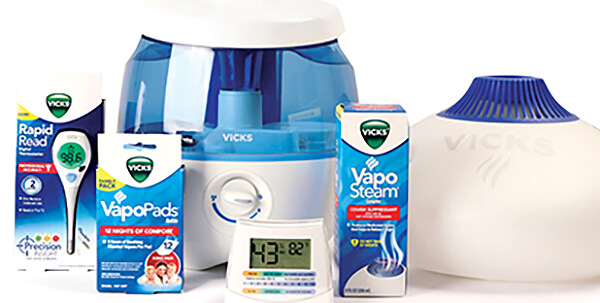

Vicks products are available for purchase online and in-store at most major retailers.
VICKS SUPPORT
View product-specific FAQs & videos
A Red Light Therapy Pod is a full-body device that uses low-intensity red and near-infrared light. Its LED panels surround the user inside a spacious chamber. Unlike a tanning bed, it does not rely on ultraviolet radiation to darken the skin.
The proposed process is called photobiomodulation. Specific wavelengths may reach the skin and influence cellular activity, including energy production in mitochondria. This may support normal skin repair, circulation, and temporary muscle recovery. The experience is usually quiet and warm, with no intense heat or burning sensation. Still, comfort does not prove effectiveness.
Evidence is growing.
Research findings vary by device, wavelength, treatment time, and individual health. Some studies report improvements in skin texture or exercise recovery, while others show modest or uncertain results. Therefore, a Red Light Therapy Pod should not be presented as a cure or a replacement for medical treatment. Device quality also matters. Poorly measured output can make treatment inconsistent.
A responsible guide should explain how the technology works, what users may realistically notice, and where evidence remains limited. Eye protection may be appropriate, depending on the design and instructions. People with light-sensitive conditions or certain medications should consult a qualified healthcare professional before use. Personal experience can be useful, but it is not the same as clinical proof. That distinction deserves attention.
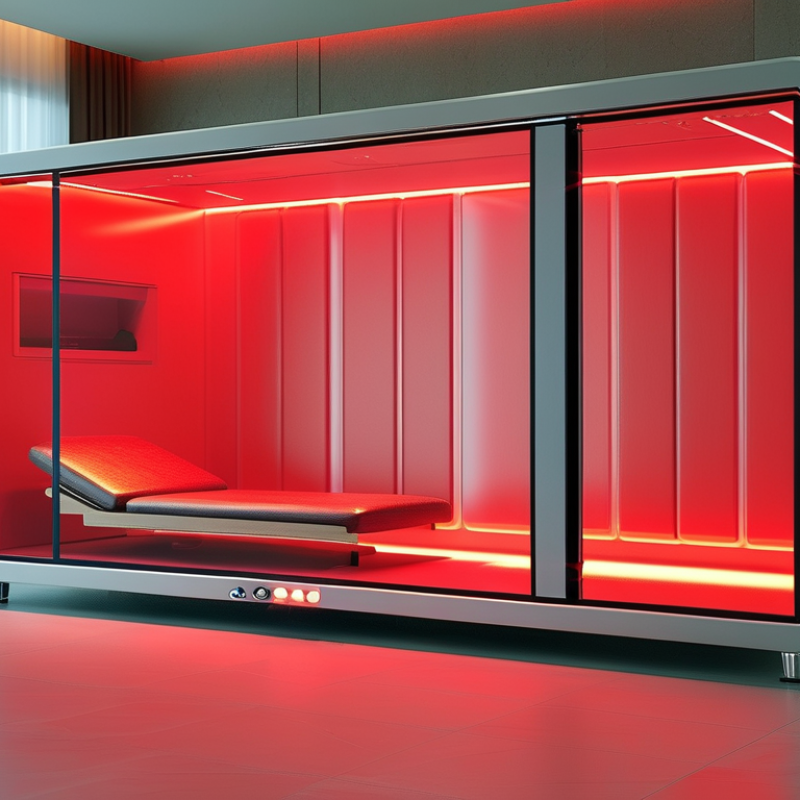
A red light therapy pod is an enclosed photobiomodulation system designed to expose the body to controlled, non-ionizing light. Its core components include LED panels, a reflective interior, a timer, cooling fans, and a control interface. Many systems use red wavelengths near 630–660 nanometers and near-infrared wavelengths around 810–850 nanometers. These ranges are common, not universal.
The engineering is not simple. LED arrays must deliver measured irradiance, usually expressed in milliwatts per square centimeter, across the treatment area. Dose depends on both irradiance and exposure time. A five-minute session at one output is not equivalent to a five-minute session at another. Quality systems should disclose wavelength, irradiance, distance, session duration, and electrical safety information. IEC 62471 evaluates photobiological safety for lamps and lamp systems, offering a useful reference for risk assessment. Eye protection may still matter, especially with bright, close-range LEDs.
A pod is not automatically better than a panel. The Global Wellness Institute’s 2024 Global Wellness Economy Monitor valued the wellness economy at 6.3 trillion dollars in 2023, showing strong consumer interest, but market growth does not prove clinical effectiveness. I would examine testing records rather than glowing promises. Some devices also report peak wavelength without showing output consistency across the enclosure. That gap deserves attention. Reliable evaluation should consider comfort, heat, ventilation, maintenance, and whether published settings match real use. Photobiomodulation research remains promising, yet results vary with dose, tissue depth, and individual conditions.
A red light therapy pod is an enclosed space that exposes the body to red and near-infrared light. It usually contains panels positioned around the front, sides, and back. The light feels warm, but it should not feel painfully hot. Red light mainly reaches the skin. Near-infrared light travels deeper into soft tissue, although its exact depth varies with wavelength, skin tone, and tissue thickness.
Cells contain light-sensitive molecules that can absorb these wavelengths. Researchers suggest this energy may influence mitochondrial activity and support the production of ATP, the molecule cells use for energy. Light exposure may also affect circulation and cellular signaling. These processes could help explain reported changes in skin appearance, muscle soreness, or recovery. However, “deeper” does not mean “reaches every organ.” The body is not a glass container.
Evidence is growing, but it remains uneven. Some clinical studies show modest benefits, while others find limited or mixed results. Treatment outcomes depend on dose, distance, wavelength, and session frequency. More exposure is not automatically better. A careful user protects the eyes when required and follows the device’s instructions. People with light-sensitive conditions or medication-related sensitivity should ask a qualified healthcare professional before treatment. The science is promising, but incomplete. That uncertainty matters.
Photon energy across commonly studied red and near-infrared wavelengths
Red light is typically discussed in the visible range, while near-infrared light is invisible to the human eye and has longer wavelengths. Photon energy decreases as wavelength increases, calculated using the relationship E = hc/λ. In the body, the biological response depends on wavelength, irradiance, exposure time, tissue type, and individual factors. Red and near-infrared light may be absorbed by cellular molecules and tissues, but this chart shows photon energy only—not treatment effectiveness or tissue penetration.
A red light therapy pod uses red and near-infrared wavelengths to deliver light across much of the body. Most clinical protocols use red light near 630–660 nanometers and near-infrared light around 810–850 nanometers. A 2023 review in Life reported that these ranges appeared frequently in photobiomodulation research, although treatment settings varied considerably. That variation matters.
A session usually begins with a health screening. Tell the practitioner about photosensitivity, skin conditions, pregnancy, or light-sensitive medication. Remove makeup, lotions, jewelry, and reflective accessories. The skin should be clean and dry. Inside the pod, stand or lie as directed, keeping the recommended distance from the light panels. Eye protection may be required, especially with intense near-infrared output. Sessions commonly last 10–20 minutes, based on device instructions and clinical protocols. You may feel gentle warmth, but pain or burning is not expected. Afterward, inspect your skin and record redness, tenderness, or unusual changes. A 2024 review in Photodermatology, Photoimmunology & Photomedicine emphasized that dose, wavelength, and exposure time strongly influence outcomes. More light is not automatically better.
Tips: Take a baseline photo in the same room light. Keep sessions consistent. Do not chase dramatic results after one visit. Some claims still need stronger long-term evidence. Stop and seek professional advice if irritation persists.
| Stage or Dimension | What Happens | Typical, Evidence-Based Details | Why It Matters |
|---|---|---|---|
| 1. Pod Overview | A red light therapy pod is an enclosed or semi-enclosed device containing multiple light-emitting panels arranged around the body. | It is designed to expose a large area of the body to red light, near-infrared light, or both while a person stands, sits, or lies inside the treatment space. | The pod configuration can provide more even body coverage than a small handheld lamp, although output varies by device. |
| 2. Light Wavelengths | The LEDs emit visible red light and, in some systems, invisible near-infrared light. | Common red-light ranges are approximately red to deep red wavelengths around 620–670 nanometers. Near-infrared systems commonly use approximately 780–900 nanometers. | Wavelength affects how deeply light may travel into tissue. Near-infrared light generally penetrates deeper than visible red light. |
| 3. Pre-Session Preparation | The user follows the facility's instructions, removes items that block the target area, and confirms any relevant medical considerations. | Skin should be clean and free of opaque products when full exposure is intended. Protective eyewear may be recommended, especially when the LEDs are bright or the face is close to the light source. | Preparation helps reduce uneven exposure and limits avoidable eye discomfort or skin irritation. |
| 4. Positioning | The user stands, sits, or lies in the pod according to the device design, keeping the recommended distance from the light panels. | Distance is important because light intensity decreases as the distance from the source increases. The manufacturer's operating instructions should determine the correct position. | Correct positioning supports a more predictable light dose and helps avoid unnecessary overexposure. |
| 5. Treatment Settings | The session begins with a programmed or manually selected duration and light mode. | Many consumer and professional protocols use sessions of approximately 5–20 minutes, but the appropriate duration depends on irradiance, wavelength, treatment goal, body area, and device instructions. | Session length alone does not define the dose; irradiance and time together determine the approximate energy delivered. |
| 6. Light Exposure | The LEDs illuminate the body without ultraviolet radiation when the device is designed specifically for red and near-infrared photobiomodulation. | Red and near-infrared light are non-ionizing forms of light. Unlike tanning lamps, a properly specified red-light device is not intended to produce ultraviolet tanning exposure. | Avoiding ultraviolet exposure is important because ultraviolet radiation can contribute to sunburn, premature skin aging, and skin-cancer risk. |
| 7. Proposed Biological Mechanism | Light is absorbed by cellular photoacceptors, with mitochondria and cytochrome c oxidase frequently discussed in photobiomodulation research. | Laboratory and clinical research suggests that light exposure may influence cellular signaling, energy metabolism, blood flow, and inflammatory pathways. The response depends on dose and tissue type. | These mechanisms are proposed explanations, not a guarantee of a specific result for every person or condition. |
| 8. Sensations During the Session | Most users remain still while the panels operate. The light may appear bright, and mild warmth can occur. | Red light therapy is generally described as non-invasive and is not expected to feel like a burn. Temporary eye strain, headache, warmth, or skin redness may occur in some users. | Discomfort, significant redness, blistering, or persistent symptoms are reasons to stop and seek professional advice. |
| 9. Session Completion | The timer ends or the user stops the program before leaving the pod. | No special recovery period is usually required for a routine session, although the user should follow the device's cleaning, hydration, and aftercare instructions. | Following the operating instructions helps maintain hygiene and reduces the chance of excessive exposure. |
| 10. Frequency and Progress | A person may repeat sessions according to the device protocol or advice from a qualified healthcare professional. | Research protocols vary widely. Results, when they occur, may require repeated use over several weeks, and benefits are not guaranteed for general wellness or every medical concern. | Consistent documentation of settings and skin response can help identify whether the routine is tolerated and useful. |
| 11. Safety Considerations | The user should review contraindications and disclose medications or conditions that may increase light sensitivity. | Extra caution is appropriate with photosensitizing medicines, photosensitive disorders, active skin disease, eye conditions, pregnancy, or implanted electronic or light-sensitive medical devices. A healthcare professional can provide individualized guidance. | Red light therapy is not a substitute for diagnosis or treatment from a qualified medical professional. |
Note: Device specifications, irradiance, wavelength accuracy, treatment distance, and recommended session duration can differ substantially. Always follow the instructions supplied with the specific device.
A red light therapy pod is a large enclosure using red and near-infrared light. Common wavelengths range from 630–660 nanometres and 810–850 nanometres. These wavelengths do not tan the skin. They may reach different tissue depths and influence cellular energy processes, including cytochrome c oxidase activity in mitochondria. In simple terms, the pod delivers light while a person stands or lies inside it.
Potential uses include supporting skin appearance, easing temporary muscle soreness, and assisting some wound-healing processes. Small clinical trials have reported improved skin smoothness and reduced inflammation, but results vary. Peer-reviewed reviews in Photomedicine and Laser Surgery describe promising findings, especially for pain and tissue repair. However, studies often use different doses, treatment schedules, and light intensities. That makes direct comparisons difficult.
The Global Wellness Institute reported that the global wellness economy reached about 6.3 trillion dollars in 2023. This growth reflects strong consumer interest, not proof that every pod works. Device specifications matter. A session with weak output may produce little effect, while excessive exposure can irritate sensitive skin. Professional guidance is sensible for people using photosensitising medication or managing eye conditions. The evidence remains uneven. More large, independent trials are still needed.
A red light therapy pod uses red and near-infrared light to expose much of the body at once. These wavelengths may influence cellular activity, circulation, and skin appearance. However, a pod is not a cure-all. Research remains uneven, and results can differ with wavelength, treatment time, and individual health.
Safety starts with the device itself. A qualified provider should explain its light output, treatment duration, and cleaning process. Follow the stated exposure time. Longer sessions are not automatically better. Excessive exposure may cause temporary redness, warmth, eye discomfort, or skin irritation. Protect your eyes when instructions require it. Keep damaged skin away from treatment unless a healthcare professional approves it.
Some people need extra caution. Ask a clinician before use if you take photosensitizing medicine or have a light-sensitive condition. Pregnant users should seek medical advice, because safety evidence is limited. People with serious skin problems should not use a pod to delay proper diagnosis. That mistake is easy to make. Professional guidance matters more when symptoms change, spread, bleed, or remain painful.
Pods also have practical limits. They may provide uneven exposure if the body position is wrong. Home and clinic devices can differ greatly in power and design. Marketing language may sound more certain than the evidence. I would record treatment times, skin reactions, and changes over several weeks. If nothing improves, stop guessing and reassess the plan with a qualified professional.


