Top 5 Tips for Choosing a Picolaser Device for Your Practice?
Choosing the right Picolaser Device for your practice can be challenging. With so many options available, it's essential to make an informed decision. Understanding the technology and its applications is crucial for ensuring successful outcomes for your patients.
Laser technology is constantly evolving. Picolaser Devices are no exception, offering advanced capabilities for skin rejuvenation and tattoo removal. As a practitioner, your understanding of the device's specifications can greatly influence your success. Consider factors such as safety features and treatment versatility.
While exploring options, reflect on your own practice goals. Not every Picolaser Device may suit your needs. Take the time to research and seek advice from trusted sources. Making an informed choice can enhance your practice's reputation and patient satisfaction. Your investment should align with your long-term vision and the needs of your clientele.
Understanding Picolaser Technology and Its Benefits for Practitioners
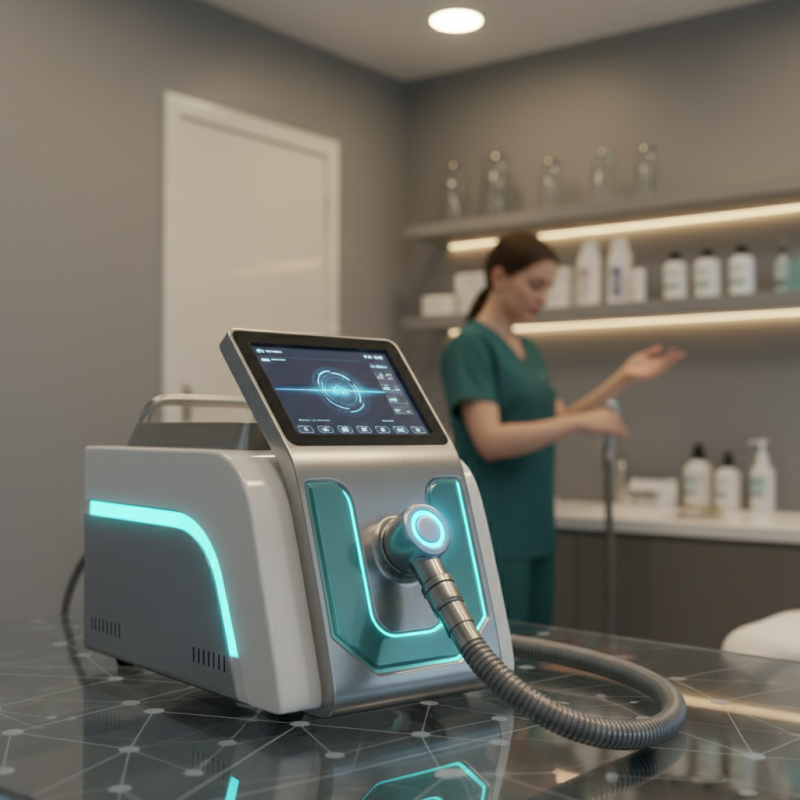
Picolaser technology has rapidly evolved, becoming a vital tool for practitioners in dermatology and aesthetics. It operates on the principle of selective photothermolysis, utilizing specific wavelengths to target pigmentation and tattoos effectively. A recent report indicates that picolaser treatments yield faster results compared to traditional laser options, often requiring fewer sessions. Managers and practitioners should understand these advantages when integrating technologies into their practices.
The benefits extend beyond efficiency. Studies show that patients experiencing minimal discomfort and quicker recovery times report higher satisfaction. This highlights the importance of adopting technology that aligns with patient expectations. However, practitioners should be cautious; not all picolaser devices are created equal. Assessing the device capabilities and understanding the nuances of varying wavelengths can significantly influence treatment outcomes.
Practitioners must reflect on training and certifications, ensuring their staff is knowledgeable about the technology. Continuous education on picolaser advancements is crucial. Reports indicate that facilities with well-trained staff see better results and more satisfied patients. Balancing the integration of picolaser devices with ongoing education can foster an environment of trust and professionalism.
Key Features to Look for in a Picolaser Device
When selecting a picolaser device for your practice, key features can significantly impact results. One essential aspect is the wavelength spectrum. Depending on your intended treatments, such as pigmentation or vascular concerns, different wavelengths can offer varying effectiveness. A device that covers multiple wavelengths may provide greater flexibility for your practice.
Another critical feature is the pulse duration. Shorter pulses can target specific skin conditions with precision. However, the right pulse duration varies by treatment and skin type. Evaluate your client base and their needs to determine what pulse durations are most beneficial.
Additionally, user interface and ease of operation matter greatly. A straightforward interface can streamline treatments and minimize errors. Look for devices with intuitive controls and customizable settings. These features enhance the overall experience for both practitioners and clients. Lastly, consider safety features, such as built-in cooling systems and skin sensors, to ensure the well-being of your clients during treatments.
Top 5 Tips for Choosing a Picolaser Device for Your Practice
Evaluating Quality and Safety Standards of Picolaser Devices
When evaluating the quality and safety standards of picolaser devices, consider several critical factors. The device's FDA clearance is essential. Devices with FDA clearance undergo rigorous testing for safety and efficacy. According to a report by the American Society for Aesthetic Plastic Surgery, over 60% of practitioners prioritize FDA-approved technology in their practices for enhanced patient safety.
Next, look for clinical studies that demonstrate the device's effectiveness. Reliable data supports the treatment's claims. Studies published in peer-reviewed journals provide insights into safety profiles. The research indicates that devices with a proven safety record have significantly fewer adverse events. However, not all clinical trials are equal, and some may lack comprehensive follow-up data.
Also, evaluate the manufacturer’s reputation. Established manufacturers often invest significantly in research and development. They follow stringent quality controls and protocols, ensuring their devices meet industry standards. However, the market is saturated with new entrants, making it challenging to discern quality. Look for third-party certifications and seek feedback from practitioners who have experience with specific devices. This approach ensures a deeper understanding of safety and efficacy beyond surface level claims.
Top 5 Tips for Choosing a Picolaser Device for Your Practice
| Tip | Description | Key Consideration |
| 1. Assess the Technology | Evaluate the technology utilized in the Picolaser device, including wavelength and pulse duration. | Ensure it aligns with the treatments you plan to offer. |
| 2. Review Safety Standards | Check for compliance with safety regulations and certifications. | Look for FDA or CE marking for assurance of safety. |
| 3. Consider User-Friendliness | Evaluate the device's interface and ease of use for practitioners. | A user-friendly design enhances operational efficiency. |
| 4. Analyze Treatment Versatility | Determine the range of conditions the device can treat. | Greater versatility can lead to increased patient options. |
| 5. Evaluate After-Sales Support | Consider the availability of customer support and service plans. | Reliable support can minimize downtime and maintain device performance. |
Budget Considerations: Cost vs. Value in Picolaser Investments
When investing in a Picolaser device, budget considerations play a critical role in ensuring value for your practice. Research by the American Society for Aesthetic Plastic Surgery highlighted that 60% of practitioners reflect on return on investment when choosing new equipment. Understanding how cost aligns with quality is essential. Low-cost devices may present savings upfront but often lack the effectiveness and longevity of higher-end models.
One tip is to evaluate the total cost of ownership. This includes maintenance, consumables, and potential upgrades. While some devices may have a lower initial price, the ongoing expenses can accumulate significantly.
Another consideration is the device’s versatility. A versatile Picolaser can treat various skin conditions, providing greater value over time. Effectively addressing multiple concerns can attract a wider client base, enhancing revenue.
Don’t underestimate training and support. Providers offering comprehensive training may charge more initially but ensure better outcomes. This can minimize mistakes and enhance patient satisfaction.
It’s essential to reflect on how initial costs influence your practice's long-term growth and client retention. This approach aligns fiscal responsibility with professional development, contributing to the overall success of your clinic.
User Reviews and Recommendations: Gathering Insights from Peers
Choosing a picolaser device for your practice is no small task. User reviews can offer valuable insights that professional resources may not cover. Hearing experiences from peers helps you understand real-world applications. When you gather feedback, look for details about both results and difficulties encountered during treatments. Some practitioners may highlight issues with calibration or maintenance.
Not all reviews are created equal. Sometimes, opinions can be influenced by marketing or personal biases. It’s essential to analyze multiple reviews to find common themes. Comments about the pain level experienced by patients or recovery times can be particularly telling. Pay attention to those who mention adjustment periods with new devices.
Also, consider the practitioner's experience level when reading reviews. Beginners might struggle with more complex systems. They may not articulate their challenges clearly, while seasoned professionals might offer deeper insights. Understanding these perspectives will empower you to make an informed decision that fits your practice's needs. Balancing expert recommendations with user experiences can lead to a thoughtful choice.