










What Are the Top Types of Wheel Luggage in 2026?
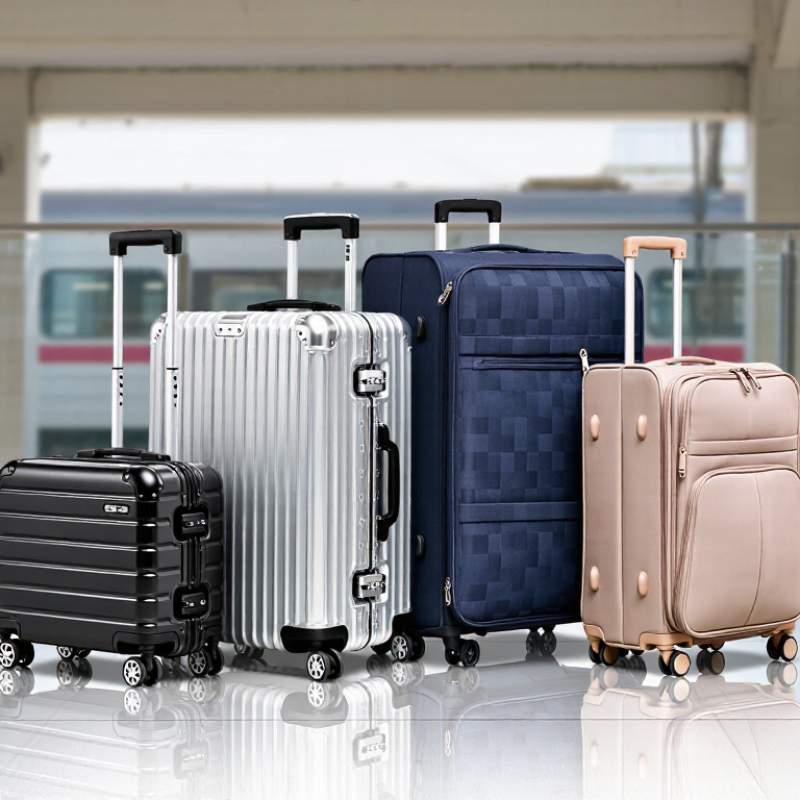
Wheel Luggage has changed from a simple case with wheels into a range of designs for different trips. In 2026, shoppers can choose compact spinner carry-ons, stable two-wheel cases, roomy checked bags, and lightweight soft-sided models. Each handles a different task. A crowded train platform favors smooth, controlled movement. A cobbled walkway may reward larger, sturdier wheels.
Packing expert Doug Dyment, founder of OneBag.com, is known for a travel-light approach. A useful paraphrase of that philosophy is: “Choose mobility without carrying more than the trip needs.” It is a practical lens, not a universal rule. A family holiday and a two-night work trip rarely need the same case. I also find that wheel quality is easy to overlook when a bag looks sleek in a showroom.
This guide compares the top types of Wheel Luggage in 2026 by maneuverability, capacity, durability, and everyday comfort. It looks at spinner wheels for tight turns, inline wheels for uneven paths, and hybrid features that balance both. Small details matter: wheel housing, handle wobble, zipper access, and how the case rolls when fully packed. No design wins everywhere. Consider your route, packing habits, and storage space before choosing.
How Wheel Luggage Is Classified by Wheel Design
What Are the Top Types of Wheel Luggage in 2026?
How Wheel Luggage Is Classified by Wheel Design
Wheel luggage is often classified by how many wheels it has and how they attach. Two-wheel designs use larger wheels set into the case. They roll behind you at an angle, much like a compact trolley. This setup can feel steady over pavement seams and rough sidewalks. The trade-off is that you must tilt and pull the case, which may tire your arm on a long walk.
Four-wheel spinner luggage has casters that rotate in different directions. You can push it beside you through a crowded station or turn it within a narrow aisle. Convenient, yes. Small casters may rattle on uneven ground, though, and exposed wheels can take more knocks. Double-wheel casters add contact points at each corner, which can improve balance and make turning feel controlled. Still, wheel quality and attachment matter as much as wheel count. I sometimes find these categories blur in real use.
Tips: Check wheel movement on the floor before buying. Listen for rough scraping, and test a loaded case if possible. For frequent outdoor walks, larger recessed wheels may be a sensible choice.
What Are the Top Types of Wheel Luggage in 2026? — How Wheel Luggage Is Classified by Wheel Design
| Wheel Design | Typical Wheel Setup | How It Moves | Main Advantages | Common Trade-Offs | Best Suited For |
|---|---|---|---|---|---|
| Two-wheel inline luggage | Two wheels, usually set into recessed housings near the base; the case is pulled at an angle. | Rolls behind the traveler on two wheels, much like a small trolley. | Recessed wheels are less exposed to impacts, and the tilted rolling position can feel controlled on uneven pavements. | Must be tilted while rolling and generally cannot be pushed upright alongside the traveler. | Travelers who prioritize a simple, protected wheel layout and often move over varied pavement. |
| Four-wheel spinner luggage | Four single swivel wheels, typically one at each bottom corner. | Turns in multiple directions and can be pushed, pulled, or rolled beside the traveler while upright. | Easy to maneuver in airports, stations, and other crowded indoor spaces; the upright position reduces the need to tilt the case. | Individual wheels are more exposed, and the case may roll away on a slope unless held or secured. | Frequent airport and hotel travel on smooth, level floors. |
| Eight-wheel dual-spinner luggage | Four wheel assemblies, each with two wheels, for eight wheels in total. | Each paired assembly swivels, allowing multidirectional movement while the case remains upright. | Paired wheels can distribute the load across more contact points and may feel stable during smooth indoor rolling. | More wheel components can add complexity; performance depends on wheel quality, case load, and floor surface. | Travelers who want spinner-style maneuverability and commonly use smooth indoor routes. |
| Oversized-wheel two-wheel luggage | Two larger wheels in a recessed or semi-recessed arrangement; exact wheel size varies by case. | Rolls at an angle, with the larger wheels turning over small surface irregularities. | Larger wheels can make it easier to cross minor cracks and rougher pavement than small wheels of a similar design. | The case still needs to be tilted, and larger wheels can take up more space in the wheel housing. | Trips involving sidewalks, station approaches, or other routes that are not perfectly smooth. |
| Compact-wheel spinner luggage | Four small swivel wheels, common on compact carry-on cases. | Moves upright in multiple directions and can be guided closely through narrow indoor spaces. | Supports easy steering and compact storage when the case is designed for cabin travel. | Small wheels may feel less comfortable over rough paving, deep joints, or uneven outdoor surfaces. | Short trips and cabin travel with frequent movement through airports and indoor corridors. |
Note: Wheel count describes the physical wheels, while wheel design also includes placement, swivel behavior, and whether the case rolls upright or tilted. Wheel dimensions and performance vary by luggage model and load.