China Best Universal Health Care Equipment Suppliers?
China Best Universal Health Care Equipment Suppliers? This question deserves evidence, not a polished ranking without verification. Universal Health Care depends on reliable equipment, trained users, responsive maintenance, and fair access. A supplier may offer attractive prices, yet weak calibration support can disrupt a rural clinic.
The WHO and World Bank’s 2023 Global Monitoring Report estimated that 4.5 billion people were not fully covered by essential health services in 2021. It also reported that about 2 billion people faced financial hardship from health spending. These figures make equipment selection practical, not merely commercial. Hospitals need accurate monitors, imaging systems, sterilization units, laboratory analyzers, and dependable replacement parts. China’s large manufacturing base can support these needs. However, quality varies between suppliers, product categories, and export markets.
Look beyond catalog size. Check ISO 13485 certification, product registration, clinical evidence, warranty terms, software support, and service response times. China’s National Medical Products Administration records can help confirm regulatory status. Independent testing and hospital references matter too. They are not perfect, but they reveal operational reality.
Dr Tedros Adhanom Ghebreyesus, Director-General of the World Health Organization, has said, “Universal health coverage is a political choice. It is up to us to make it happen.” That principle should guide this supplier review. The strongest companies are not always the largest. They are the ones that combine documented safety, transparent communication, and durable after-sales support. Some data remains difficult to compare across suppliers. That limitation should be stated openly. This guide evaluates leading Chinese equipment suppliers through that cautious, patient-centered lens.
What Makes a Universal Health Care Equipment Supplier Stand Out in China
What Makes a Universal Health Care Equipment Supplier Stand Out in China
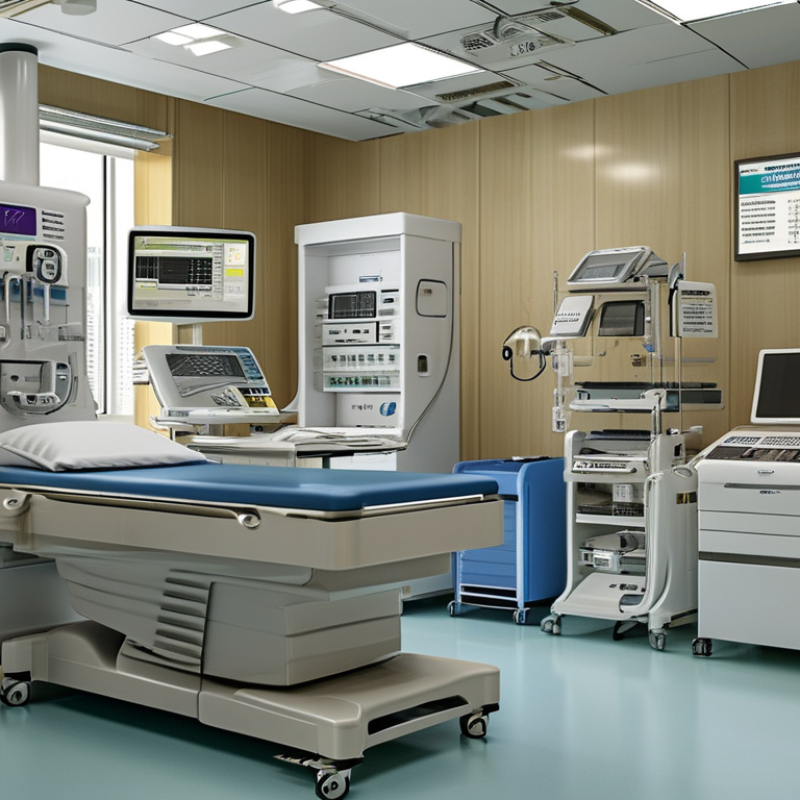
A strong universal health care equipment supplier offers more than a broad product catalogue. It understands how hospitals, clinics, and community health centers actually work. Its portfolio may include examination beds, patient monitors, sterilizers, diagnostic devices, and basic emergency equipment. However, product variety alone is not enough. The supplier should explain technical limits, intended use, installation needs, and maintenance requirements clearly. Details matter.
Professional suppliers provide traceable quality records and consistent inspection procedures. They should support recognized quality systems, such as ISO 13485, while preparing complete technical documentation for each market. Product samples, factory audits, batch records, and calibration reports help buyers verify real performance. A reliable supplier also offers user training, installation guidance, spare parts, and responsive technical service. This support can prevent a small equipment fault from delaying patient care.
Practical experience often reveals problems that catalogues hide. A monitor may meet specifications but lack compatibility with existing hospital systems. A sterilizer may perform well but require unfamiliar maintenance routines. These gaps matter. Buyers should test workflows, not only compare prices. I have seen procurement plans underestimate shipping protection, local voltage, replacement cycles, and staff training. That weakness deserves reflection. No supplier fits every facility perfectly, and honest suppliers admit where their equipment or service capacity has limits.
What Makes a Universal Health Care Equipment Supplier Stand Out in China?
A practical 100-point procurement framework for evaluating healthcare equipment suppliers without comparing individual companies or brands.
Regulatory compliance and product quality receive the highest weighting because medical equipment suppliers must support patient safety, documentation, traceability, and reliable performance. Delivery capability, technical service, and total cost also influence long-term purchasing decisions.
Key Categories of Health Care Equipment Offered by Chinese Suppliers
Chinese suppliers offer a broad range of health care equipment for hospitals, clinics, laboratories, and home-care settings. Key categories include patient monitors, diagnostic imaging devices, ultrasound systems, ECG machines, and laboratory analyzers. Many suppliers also provide infusion pumps, oxygen concentrators, ventilatory support equipment, hospital beds, wheelchairs, and rehabilitation tools. These categories serve different clinical needs. A small clinic may prioritize portable diagnostic devices, while a regional hospital may require integrated monitoring and emergency systems.
Infection-control equipment remains important. Common products include sterilizers, medical refrigerators, protective clothing, examination lights, and waste-handling containers. Suppliers may also offer surgical instruments, wound-care materials, respiratory accessories, and disposable consumables. Buyers should check material safety, cleaning instructions, packaging quality, and product traceability. Calibration records matter for monitors and analyzers. So does training.
From practical procurement experience, comparing equipment only by price creates avoidable problems. A low-cost monitor may have unclear alarms, limited accessories, or difficult software updates. Catalog descriptions can sound stronger than field performance. This deserves careful review. Ask for test reports, warranty terms, spare-part availability, and user manuals before placing an order. Verification through recognized quality systems and applicable regulatory documentation improves reliability, but paperwork cannot replace hands-on evaluation. A trial unit, sample inspection, and feedback from nurses or technicians can reveal weaknesses early. Small details matter. A loose connector can delay care.
How to Evaluate Quality, Certifications, and Manufacturing Standards
Choosing China’s best universal health care equipment suppliers requires more than comparing prices or product catalogs. Evaluate the factory behind each quotation. Ask for ISO 13485 certification, recent audit records, and product-specific test reports. Certification alone is not enough. Verify the certificate’s scope, validity, and issuing body. Medical electrical equipment should show relevant IEC 60601 testing. Risk controls should also follow ISO 14971 principles.
A reliable manufacturer can explain every production stage clearly. Check incoming material inspection, assembly controls, calibration records, and final testing. Request batch traceability from raw materials to shipping cartons. During a factory visit, inspect clean work areas, labeled components, and controlled storage. Speak with quality engineers, not only sales staff. Their answers often reveal real manufacturing discipline. I have found that attractive documentation can still hide weak process control. That possibility deserves attention.
Tips: Request a sample before placing a large order. Test alarms, connectors, display accuracy, and cleaning surfaces. Compare the sample with the approved specification. Ask how complaints, repairs, and recalls are managed. Confirm warranty terms and spare-part availability in writing. Do not rely on translated brochures alone. An independent inspection can expose small defects, such as loose screws or inconsistent labeling, before they become operational problems.
Leading Supplier Types and Sourcing Channels in China
China’s universal health care equipment suppliers usually fall into four groups: original equipment manufacturers, contract manufacturers, component specialists, and trading companies. Each serves a different purchasing need. Manufacturers suit hospitals requiring traceability and customization. Trading companies can combine products quickly, but their factory visibility may be weaker. I would not treat every factory as a medical-device specialist. That is an imperfect filter, but it matters.
The World Health Organization’s Global Health Expenditure Database reports that global health spending reached about US$9.8 trillion in 2021, equal to 10.3% of worldwide GDP. This scale supports continued demand for diagnostic, monitoring, sterilization, and basic care equipment. The International Trade Centre’s Trade Map also places China among the major exporters of medical and surgical instruments. Buyers can source through industrial clusters, verified online directories, medical trade fairs, local procurement agents, and direct factory contact. A practical shortlist should request ISO 13485 evidence, product test reports, quality-control records, and applicable registration documents. Ask for batch photographs. Check carton labels and serial numbers. A video tour helps, but it is not a substitute for an independent audit. Small omissions often appear during sample inspection, especially in manuals, spare parts, and after-sales response times.
How to Compare Pricing, Customization, Delivery, and After-Sales Support
When comparing China-based Universal Healthcare equipment suppliers,price is only the starting point. Request itemized quotations for the device, accessories, packaging, testing, spare parts, and shipping. A low price may exclude installation guidance or essential components. Compare equivalent specifications, not attractive totals. Details matter.
Customization Customization should match clinical needs, staff habits, and local infrastructure. Ask whether the supplier can adjust dimensions, software language, voltage, labels, or packaging. Request drawings, sample units, and written confirmation before production. A sample that works well in a showroom may perform differently in a busy clinic. Small controls can become daily frustrations.
Delivery & Support Delivery reliability requires more than a promised date. Review production capacity, inspection procedures, export documents, and contingency plans for component delays. For after-sales support, confirm response times, warranty coverage, remote troubleshooting, training, and replacement-part availability. Ask for service records or anonymized case evidence.
Experienced suppliers should explain limitations clearly, rather than promise everything. No supplier is perfect. Our own comparisons can also miss hidden costs when teams focus too heavily on the initial quotation. A balanced evaluation should score price, customization, delivery, and support with the same discipline. That approach reduces surprises after the equipment reaches the treatment room.