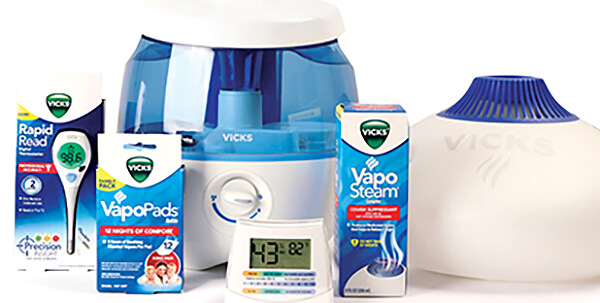

Vicks products are available for purchase online and in-store at most major retailers.
VICKS SUPPORT
View product-specific FAQs & videos
Choosing a reliable cold water humidifier is not simply a matter of selecting the largest tank or quietest motor. Global buyers face different climates, water conditions, voltage standards, and maintenance expectations. A bedroom in Dubai may need a different solution from a nursery in Toronto. This guide examines seven leading models through practical criteria, including humidity control, mist output, noise, energy use, cleaning access, filter availability, and regional support.
The U.S. Environmental Protection Agency recommends keeping indoor relative humidity between 30% and 50%. Excess moisture can encourage mold, while overly dry air may irritate skin, eyes, and airways. The 2024 Global Humidifiers Market analysis from Grand View Research also reflects sustained demand for residential humidity-control products. However, market growth does not guarantee product quality. Certification, transparent specifications, and dependable after-sales service matter more than attractive advertising.
Each selected cold water humidifier is assessed against real household conditions. We consider hard-water residue, overnight operation, small-room coverage, and the effort required to clean hidden surfaces. Ultrasonic models may operate quietly, but they can disperse minerals when filled with untreated tap water. Evaporative models often reduce that concern, although replacement filters add long-term cost. There is no perfect model for every country. That is the uncomfortable part. Product claims can also change by region, so buyers should verify local voltage, warranty terms, and safety certifications before purchasing. These recommendations aim to be useful, but careful comparison remains essential.
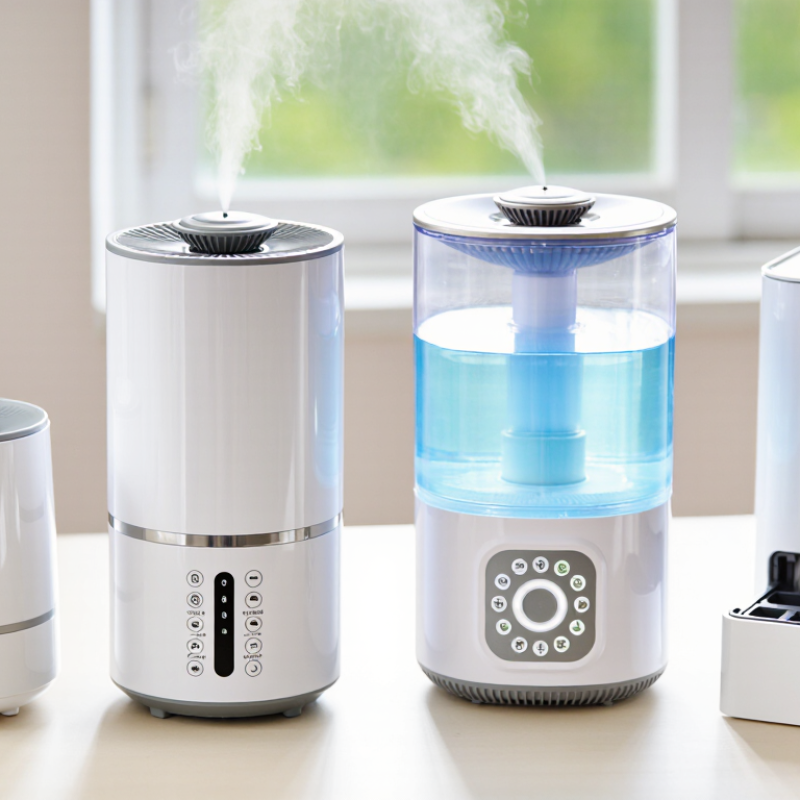
Cold water humidifiers release moisture without boiling water. Most models use ultrasonic vibration, a wick and fan, or a rotating disk. Ultrasonic units break water into a fine mist. Evaporative units pull dry room air through a wet filter. Impeller systems splash water into tiny droplets.
The U.S. Environmental Protection Agency recommends maintaining indoor relative humidity between 30% and 50%. ASHRAE guidance commonly places acceptable indoor humidity near this range, depending on temperature and building conditions. A humidity sensor helps prevent excessive moisture, which can encourage mold on window frames, carpets, and walls. Too much humidity is not healthier.
Water quality matters. Ultrasonic devices may disperse dissolved minerals as “white dust,” especially with hard tap water. The EPA warns that poorly maintained humidifiers can release microorganisms into indoor air. Emptying the tank daily, drying its surfaces, and following the manufacturer’s cleaning instructions are practical controls. Distilled water can reduce mineral deposits, but it does not replace cleaning.
The label is not always precise. Room size ratings may assume closed doors and mild conditions. A large room with drafts can perform differently. Check humidity with a separate meter, not only the built-in display. A cool mist can feel refreshing near a bedside table, yet the surrounding floor should remain dry.
Choosing a cold water humidifier starts with climate, not appearance. The U.S. Environmental Protection Agency recommends indoor relative humidity between 30% and 50%. In dry, heated winters, select a model with adjustable output and a built-in humidistat. A room can feel comfortable while its wooden floor quietly contracts.
For tropical or coastal regions, humidity may already exceed the healthy range. The World Health Organization links damp indoor conditions with increased mould risk. Choose a compact unit with automatic shutoff, washable parts, and precise humidity control. Avoid continuous misting in poorly ventilated bedrooms. Too much moisture is not better.
Water quality also changes the decision. Ultrasonic models can disperse minerals from hard water, creating white dust on dark furniture. The EPA advises using low-mineral or distilled water when necessary, plus regular cleaning. Evaporative models usually reduce this dust, but their wick needs replacement. Check local voltage before importing. Energy use matters too; the International Energy Agency reports that buildings consume about 30% of global final energy, so inefficient daily appliances deserve attention. My own selection rule would be simple: measure humidity for several days first. I would not trust a cheap sensor completely. Candles, cooking, and open windows can distort readings.
Global buyers should compare performance, safety, and maintenance rather than mist volume alone. The U.S. Environmental Protection Agency recommends maintaining indoor humidity between 30% and 50%. A built-in hygrometer helps prevent excessive moisture, which may encourage mold growth. Check the humidifier’s measured output, not only its advertised coverage area. Room size, ceiling height, ventilation, and climate can change results.
Water quality also matters. Ultrasonic models may disperse minerals as white dust when filled with hard water. Look for a replaceable filter, easy tank access, and smooth surfaces without hidden corners. The World Health Organization links damp indoor environments with respiratory health concerns, so cleaning instructions must be practical. A device needing daily scrubbing may become unreliable in real homes. That detail is easy to underestimate.
Safety features deserve equal attention. Choose automatic shutoff, stable construction, protected electrical parts, and a design suited to the destination voltage and plug standard. Noise ratings should be tested under comparable conditions; laboratory figures may not reflect bedroom use. AHAM testing guidance can help buyers compare humidification output more consistently, although not every market uses the same certification system. I would also check warranty support and spare-part availability across borders. A cheaper unit can become expensive when its filter is unavailable. Small omissions matter.
For international households, the seven best cold-water humidifiers are not identical machines. They suit different rooms, climates, and maintenance habits. Consider ultrasonic models for quiet bedrooms, evaporative units for naturally limited moisture, impeller models for simple operation, and compact units for small offices. Whole-room designs fit larger spaces, while sensor-controlled models help prevent excessive humidity. Hybrid cool-mist units offer flexibility, but their extra parts may increase cleaning demands.
The U.S. Environmental Protection Agency recommends maintaining indoor humidity between 30% and 50%. This range is useful across many climates, although coastal homes may need less moisture. The World Health Organization links damp indoor conditions with higher risks of mould and respiratory symptoms. Check the hygrometer, not just the mist output. It is easy to over-humidify a room overnight. That mistake deserves more attention.
Practical testing should include noise, tank access, filter availability, voltage compatibility, and cleaning instructions. Ultrasonic models can disperse minerals from hard water, leaving white dust on dark furniture. Distilled or properly treated water may reduce this problem, but availability differs worldwide. AHAM guidance also emphasizes regular cleaning and correct sizing. A weekly cleaning routine is realistic for many homes, though busy users may skip it. Choose removable parts, clear water-level markings, and automatic shutoff. The best international choice is the one that remains safe, serviceable, and easy to clean after months of ordinary use.
Typical room-coverage comparison for seven common cool-mist humidifier formats used in international households.
Coverage figures are representative category benchmarks based on commonly published consumer specifications. Actual performance depends on room height, insulation, ventilation, humidity targets, and local operating conditions. Smaller units suit bedrooms and personal spaces, while console and whole-room models are designed for larger areas.
7 Best Cold Water Humidifiers for Global Buyers?
Cold-water humidifiers can improve dry-room comfort, but safe use requires disciplined control. The U.S. Environmental Protection Agency recommends indoor relative humidity between 30% and 50%. A digital hygrometer is more reliable than guessing from window moisture. If condensation appears on glass, reduce output immediately. Excess moisture can support mold and dust mites. The EPA also warns that dirty humidifiers may release minerals and microorganisms into indoor air. Clean water matters.
For ultrasonic models, use low-mineral or distilled water when the manual permits it. White dust on furniture signals mineral carryover, not harmless decoration. Empty the tank daily, rinse it, and let it air-dry. EPA guidance advises cleaning portable humidifiers every third day. That schedule is easy to forget. A written reminder near the sink can help. Disinfect only according to the device instructions. Never mix cleaners. Replace filters or wicks as directed, even when they look acceptable.
Place the unit on a stable, waterproof surface, away from children, pets, curtains, and outlets. Direct mist toward open room space, not walls or bedding. The CDC recommends following manufacturer instructions for cleaning and safe operation. Stop using the unit if it smells musty, leaks, or makes unusual noise. ASHRAE Standard 62.2 connects residential air quality with ventilation and contaminant control. A humidifier cannot replace fresh-air exchange. Inspect seals, cords, and fans monthly. Small cracks deserve attention. One sensor can mislead, so check humidity in more than one location.
| Rank | Humidifier Type | Best For | Typical Room Coverage | Typical Water Tank | Typical Runtime | Key Benefits | Safety and Maintenance Requirements | Global Buyer Considerations | Overall Suitability |
|---|---|---|---|---|---|---|---|---|---|
| 1 | Top-Fill Ultrasonic Cool-Mist Humidifier | Bedrooms, nurseries, and small living rooms | 20–35 m² | 3–5 L | 12–30 hours, depending on mist setting | Quiet operation, low power consumption, easy refilling, and adjustable mist output | Use low-mineral or distilled water where possible. Empty and dry the tank daily; clean the tank and mist outlet at least every 3 days. Do not place it beside electronics or directly next to a child’s bed. | Check local water hardness, replacement filter availability, and electrical certification before purchase. | Excellent |
| 2 | Evaporative Cool-Mist Humidifier | Large bedrooms, offices, and family rooms | 25–50 m² | 3–6 L | 8–24 hours | Produces room-temperature mist, naturally limits excessive humidification, and creates less visible mineral dust than ultrasonic models | Replace or wash the wick according to the manufacturer’s schedule. Clean the water reservoir weekly and keep the fan intake free of dust. Do not operate with a damaged wick or contaminated water. | Confirm the cost and availability of replacement wicks in the destination country. | Excellent |
| 3 | Portable Personal Cool-Mist Humidifier | Travel, work desks, hotel rooms, and small personal spaces | 5–12 m² | 0.25–1 L | 4–12 hours | Compact size, convenient transport, and low water consumption | Use a clean container and fresh water for every session. Disinfect the reservoir regularly and never leave standing water inside during travel. Keep the unit upright to prevent leakage. | USB models may have limited output. Check voltage, plug type, USB power requirements, and airline or luggage restrictions. | Very Good |
| 4 | Large-Capacity Ultrasonic Cool-Mist Humidifier | Open-plan rooms and extended overnight operation | 35–60 m² | 5–8 L | 15–40 hours | Long operating time, larger mist output, automatic shutoff, and fewer refills | Large tanks require thorough cleaning because stagnant water can support microbial growth. Use a hygrometer, maintain indoor relative humidity around 30–50%, and stop operation if condensation appears on windows or walls. | Consider shipping weight, tank-handle strength, water-quality requirements, and the availability of compatible cleaning parts. | Very Good |
| 5 | Smart Cool-Mist Humidifier with Hygrostat | Users who want automatic humidity control and scheduling | 20–45 m² | 3–5 L | 10–30 hours | Humidity sensing, automatic shutoff, timer functions, and remote monitoring on compatible networks | Sensor readings should be checked against a separate hygrometer. Keep firmware and mobile applications updated, use strong account passwords, and clean the water-contact components at least every 3 days. | Verify Wi-Fi frequency compatibility, mobile-app availability, data-privacy terms, voltage range, and regional cloud-service support. | Very Good |
| 6 | Filter-Free Impeller Cool-Mist Humidifier | Users seeking simple operation and low replacement-part costs | 15–30 m² | 2–4 L | 8–24 hours | No disposable wick, straightforward controls, and generally lower long-term consumable costs | Mineral buildup can accumulate on the impeller and water-contact surfaces. Use low-mineral water, inspect the impeller frequently, and never operate the unit without sufficient water. | Performance can vary significantly with hard water. Confirm that replacement impellers, seals, and cleaning accessories can be sourced locally. | Good |
| 7 | Whole-Room or Console Evaporative Humidifier | Large living areas, dry climates, and continuous seasonal use | 45–90 m² | 6–12 L | 12–36 hours | High moisture output, safer room-temperature operation, and reduced risk of visible white mineral dust | Clean the reservoir weekly, replace or wash the wick as instructed, and vacuum the air intake regularly. Keep adequate clearance around the unit and use a hygrometer to prevent over-humidification. | Check noise level, caster or handle design, filter availability, shipping dimensions, and local after-sales support. | Good to Excellent |