





China Top 10 Cold Humidifier Suppliers for Global Buyers?
Choosing a reliable cold humidifier supplier in China requires more than comparing product prices. Global buyers must examine manufacturing experience, technical capability, quality controls, export service, and after-sales support. This guide introduces ten leading Chinese suppliers serving commercial, residential, healthcare, hospitality, and industrial markets. It focuses on practical evidence, including product certifications, production capacity, customization options, testing procedures, and international delivery experience.
A dependable supplier should explain how its humidifiers manage water quality, noise levels, mist output, energy use, and maintenance. Factory visits, sample testing, and clear technical documents can reveal more than attractive catalog images. Some suppliers may offer ultrasonic, evaporative, or high-pressure models, while others specialize in private-label production. The right choice depends on climate, room size, operating hours, and local compliance requirements.
Details matter.
This ranking should not be treated as an absolute verdict. Supplier performance can change with management, materials, orders, and market conditions. Buyers should verify current certificates, production records, warranty terms, and references before signing contracts. A lower quotation may hide weaker components or limited support. In contrast, a slightly higher investment may provide steadier humidity control and fewer service problems.
Based on available industry information and buyer-oriented evaluation criteria, the following overview compares ten China-based cold humidifier suppliers. It aims to support informed sourcing decisions, not replace independent due diligence. Some information may require further confirmation. That is worth acknowledging. Reliable procurement begins with careful questions, realistic testing, and transparent communication.
What Is a Cold Humidifier and Why Does Supplier Selection Matter?
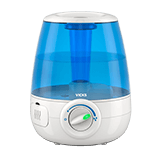
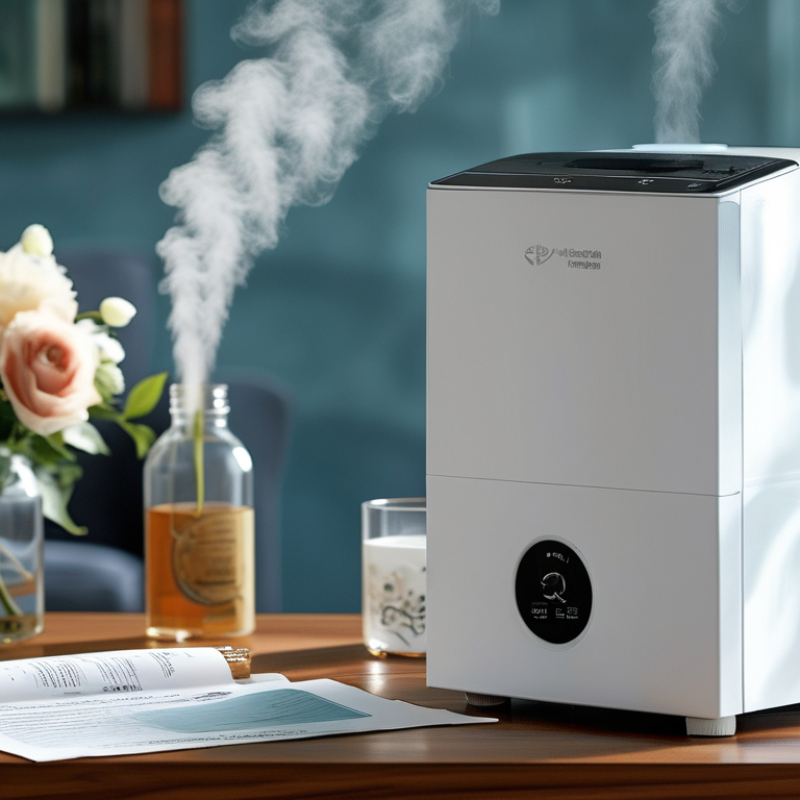
A cold humidifier adds moisture without heating water. It usually uses ultrasonic vibration or evaporation to create a cool mist. This suits bedrooms, offices, nurseries, and dry production areas. The U.S. Environmental Protection Agency recommends maintaining indoor relative humidity between 30% and 50%. Higher levels may encourage mold and dust mites.
Market demand is also expanding. Grand View Research reported that the global humidifier market reached about USD 4.91 billion in 2023. Its report projects a 6.7% compound annual growth rate from 2024 to 2030. These figures suggest more purchasing options, but not necessarily better quality. Supplier selection matters because ultrasonic units can disperse minerals and microorganisms when water quality or cleaning controls are poor. The EPA recommends low-mineral water and regular cleaning.
Specifications need practical verification. Buyers should review mist output, noise levels, tank materials, leakage tests, electrical safety files, and replacement-part availability. Ask for batch inspection records, not only attractive product sheets. Check whether testing follows recognized standards, such as applicable IEC electrical requirements. A supplier should also explain warranty handling and cleaning instructions clearly.
A certificate is not proof of field performance. That assumption is easy. I have seen buyers focus on unit price, then struggle with inconsistent sensors, weak packaging, or delayed spare parts. A reliable supplier supports sample testing, traceable production, and honest limits. Small details matter, especially when hundreds of units operate in dry rooms every day.
China Top 10 Cold Humidifier Suppliers for Global Buyers? - What Is a Cold Humidifier and Why Does Supplier Selection Matter?
| No. | Supplier Evaluation Dimension | What a Cold Humidifier Means | Typical Buyer Data to Verify | Why It Matters | Recommended Priority |
|---|---|---|---|---|---|
| 1 | Cold-Mist Technology | A humidifier that adds moisture without boiling water, commonly by ultrasonic atomization or natural evaporation. | Technology type, mist particle claims, operating temperature, and test method. | Technology affects energy use, noise, maintenance, mineral dispersion, and user experience. | Critical |
| 2 | Mist Output and Coverage | Cold humidifiers disperse fine water droplets or evaporated moisture into indoor air. | Rated output in millilitres per hour, recommended room area, and laboratory conditions. | A verified output rating helps buyers match the product with room size and climate conditions. | Critical |
| 3 | Water-Tank Capacity | The water reservoir supplies the humidification system during operation. | Tank volume in litres, filling method, tank-removal design, leak test, and continuous runtime. | Capacity and runtime influence convenience, packaging size, shipping weight, and cleaning frequency. | High |
| 4 | Noise and Energy Consumption | Cold-mist systems generally avoid the energy required to heat water, although fan and ultrasonic components still consume electricity. | Sound level in dB(A), rated power in watts, standby consumption, and measurement distance. | Lower verified noise supports bedroom and office use, while energy data supports operating-cost estimates. | High |
| 5 | Water Quality and Mineral Control | Ultrasonic humidifiers can disperse minerals from hard water unless filtration or suitable water-use instructions are provided. | Water-quality recommendations, filter availability, scale testing, and cleaning instructions. | Water compatibility affects white dust, product life, indoor cleanliness, and customer satisfaction. | Critical |
| 6 | Safety and Automatic Protection | Cold humidifiers do not use boiling water, but electrical, leakage, overheating, and low-water risks still require protection. | Low-water shutoff, overheat protection, leakage testing, insulation, plug type, and user-safety test reports. | Safety controls reduce product liability, returns, and compliance risks in international markets. | Critical |
| 7 | International Compliance | A cold humidifier is an electrical appliance and must meet the applicable requirements of its destination market. | Applicable IEC or national safety standard, EMC test report, declaration documents, and market-specific marking requirements. | Complete and traceable documentation supports customs clearance, retailer approval, and lawful sale. | Critical |
| 8 | Customization and Private Label Support | Cold humidifiers may be adapted with different housings, controls, packaging, plugs, languages, or app functions. | Minimum order quantity, tooling fees, sample process, firmware control, packaging options, and artwork requirements. | Clear customization terms help buyers control launch costs, lead time, and product differentiation. | Medium |
| 9 | Quality Assurance and Traceability | Consistent humidification performance depends on controlled components, assembly processes, and final inspection. | Quality-system evidence, incoming inspection, aging tests, sample approval, defect-rate records, and batch traceability. | Documented quality control lowers the risk of inconsistent output and post-delivery claims. | High |
| 10 | Logistics, Warranty, and After-Sales Service | A dependable supply program includes product availability, spare parts, technical support, and warranty handling. | Production lead time, shipping terms, carton dimensions, spare-part policy, warranty period, and response time. | Service capability affects total landed cost, inventory planning, repair efficiency, and long-term buyer risk. | High |
Related Posts
-
10 Best Cold Humidifiers to Improve Your Indoor Air Quality
-
How to Choose the Best Filter Free Humidifier for Your Needs
-

Best Cold Humidifiers for 2026 Why Choose One for Your Home?
-
2025 Tech Innovations in Humidification How Best Filter Free Cool Mist Humidifiers Enhance Air Quality
-
7 Essential Tips for Choosing the Best Mist Humidifier for Your Home
-
Cold Air Humidifier Tips for Better Indoor Air Quality?